


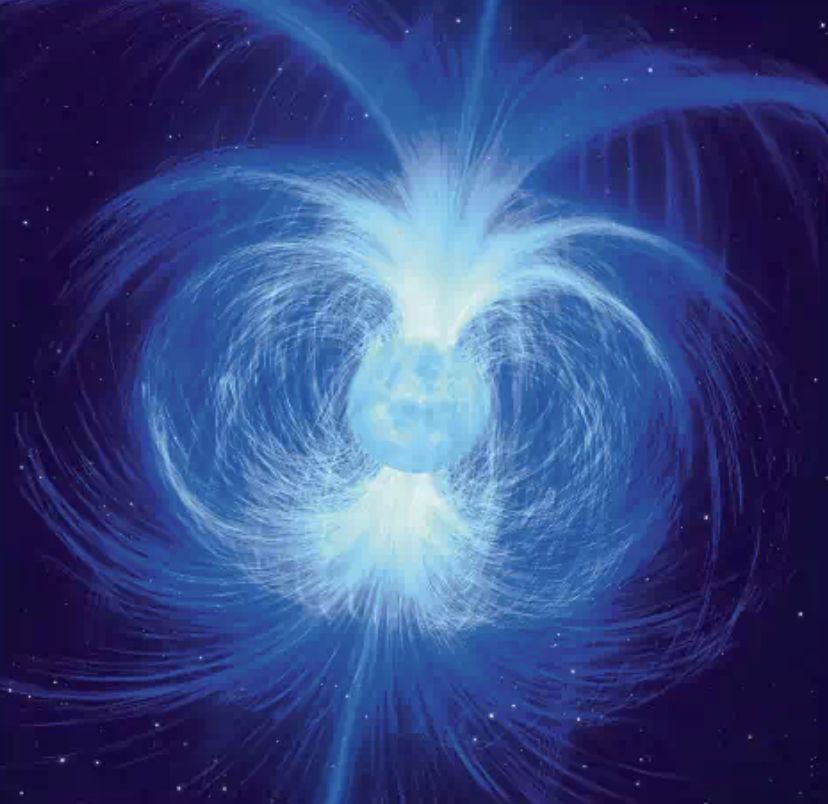
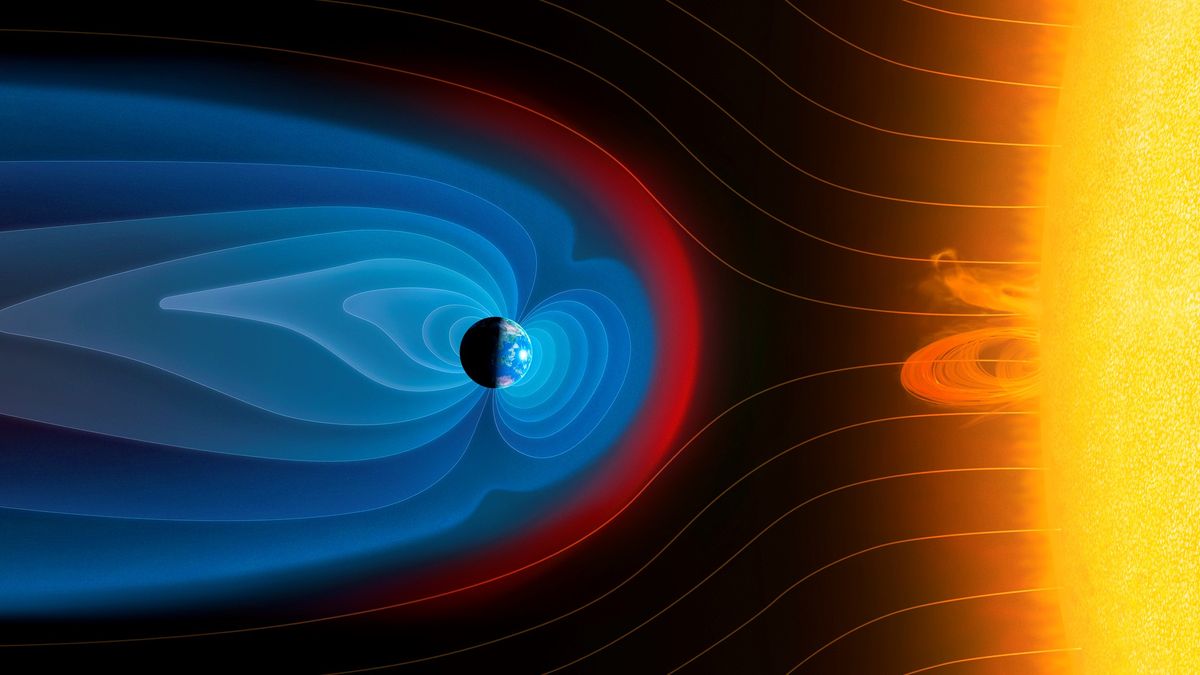
 Earth’s magnetic field is basically its superhero shield—it blocks most of the solar wind, which is full of charged particles that would otherwise wreck our ozone layer. And trust me, we need that ozone layer because it protects us from UV rays (aka space sunburn). One way the solar wind messes with planets is by trapping atmospheric gases in little magnetic bubbles and then yeeting them into space. Poor Mars lost most of its atmosphere this way when its magnetic field called it quits—now it’s basically a cosmic ghost town.
Earth’s magnetic field is like a giant cosmic bouncer, keeping most of the solar wind’s rowdy charged particles from crashing the party. If not for this protective shield, these particles would gradually tear apart our ozone layer—the very thing standing between us and a UV-ray barbecue. One way this happens is when solar winds snatch up bits of atmospheric gas, stuffing them into magnetic field bubbles before yanking them away like a cosmic claw machine. Scientists studying Mars found that when its magnetic field ghosted, the planet’s atmosphere practically packed up and left with it—turning Mars into the dry, dusty place it is today. Earth’s magnetosphere shields us from harmful energy from the Sun and deep space. Take a deep dive to the center of our world to learn more about its causes, effects, variations.
 Humans have been using compasses to find their way since way back in the 11th century A.D., and they’ve been a trusty sidekick for navigation since the 12th century. Sure, the Earth’s magnetic field likes to wander a bit over time (a phenomenon called magnetic declination), but it’s a slowpoke, so compasses are still plenty reliable for figuring out where you’re going.
Now, if you’re thinking we can predict where this is all going—think again. Earth’s magnetic field is about as predictable as a cat’s behavior. Measuring it over a few years, decades, or even centuries doesn’t give us a clear long-term trend because it’s always doing its own thing, going up and down for reasons we still don’t fully understand. Also, the field isn’t just a simple dipole (like a bar magnet)—it’s got a lot more complexity, so even if one part weakens, the overall field might not actually be shrinking.
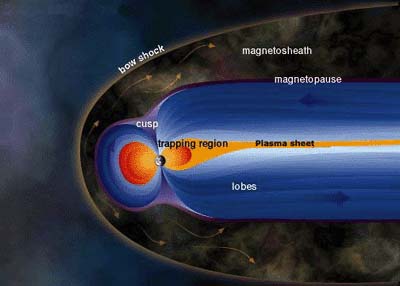
Interestingly, humans aren’t the only ones rocking this magnetic sense—other creatures, from birds to turtles, use magnetoreception to navigate too. Basically, nature invented GPS long before we did! Earth’s magnetic shield, also known as the geomagnetic field, is a protective force field generated by the movement of molten iron and nickel in the outer core (a process called the geodynamo). This invisible shield extends into space and deflects harmful solar wind and cosmic radiation, preventing them from stripping away the atmosphere and damaging life on Earth.
However, the magnetic field isn’t static—it constantly shifts, weakens, and even reverses every few hundred thousand years, where the north and south poles swap places. Scientists have observed that Earth’s magnetic field has been weakening in recent centuries.
Besides shielding us, the magnetic field helps animals navigate (magnetoreception) and is essential for technologies like compasses and GPS. Without it, Earth would be more vulnerable to solar radiation, much like Mars, which lost most of its atmosphere when its magnetic field disappeared.