Introduction to Bioluminescence
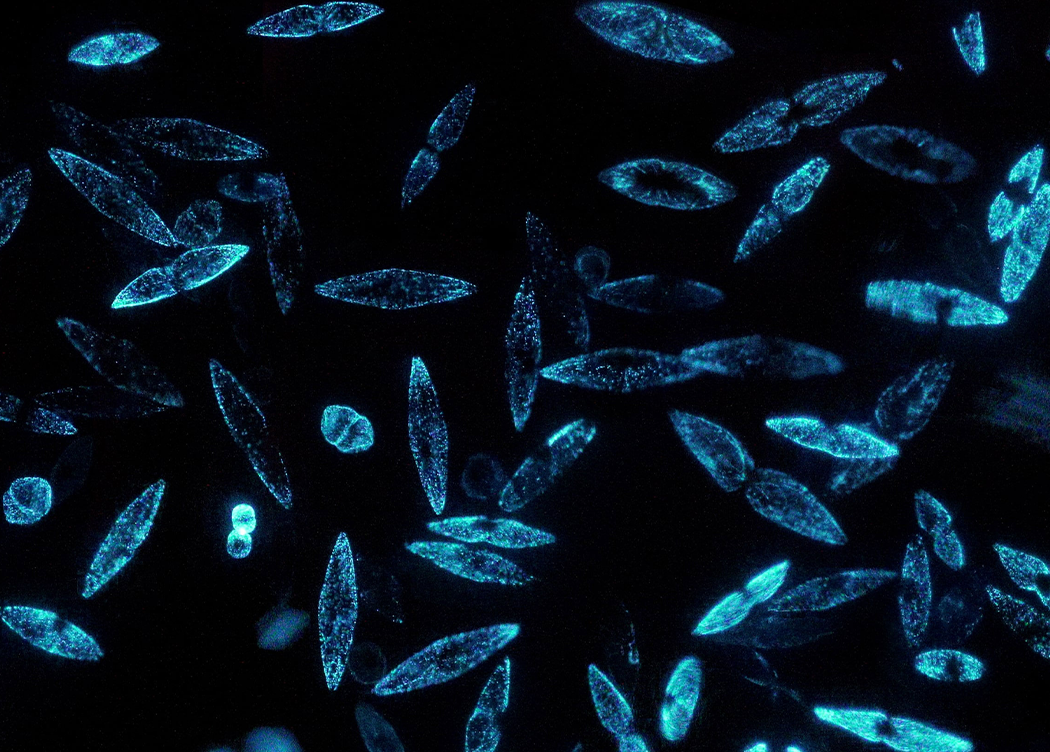
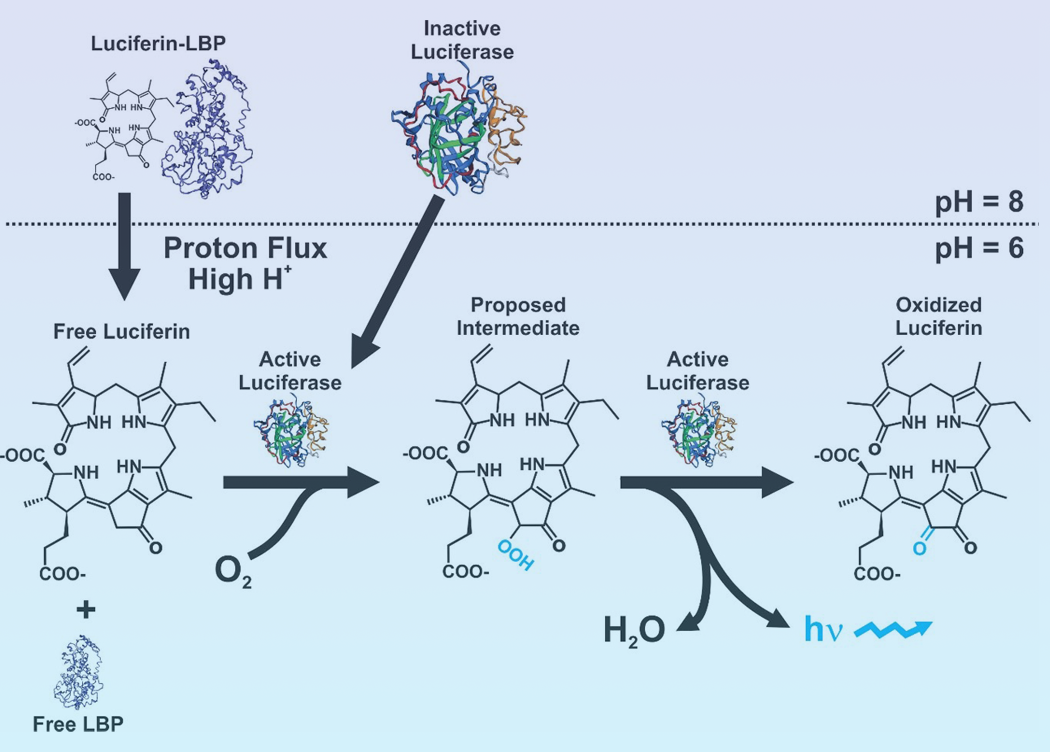
Bioluminescence refers to the ability of living organisms to produce and emit light. It is primarily the result of biochemical reactions involving luciferin, a light-emitting molecule, and luciferase, an enzyme that facilitates the reaction. This phenomenon occurs across a range of organisms, especially in dark environments like deep oceans and forest floors. It is a captivating aspect of the natural world that scientists continue to study for its biological, ecological, and technological implications.
Chemical Mechanism of Bioluminescence
• Biochemical Foundation: The core of bioluminescence lies in the luciferin-luciferase reaction. When luciferin is oxidized in the presence of oxygen, facilitated by luciferase, it produces light. Each organism has specific types of luciferins and luciferases, resulting in different colors and intensities of light.
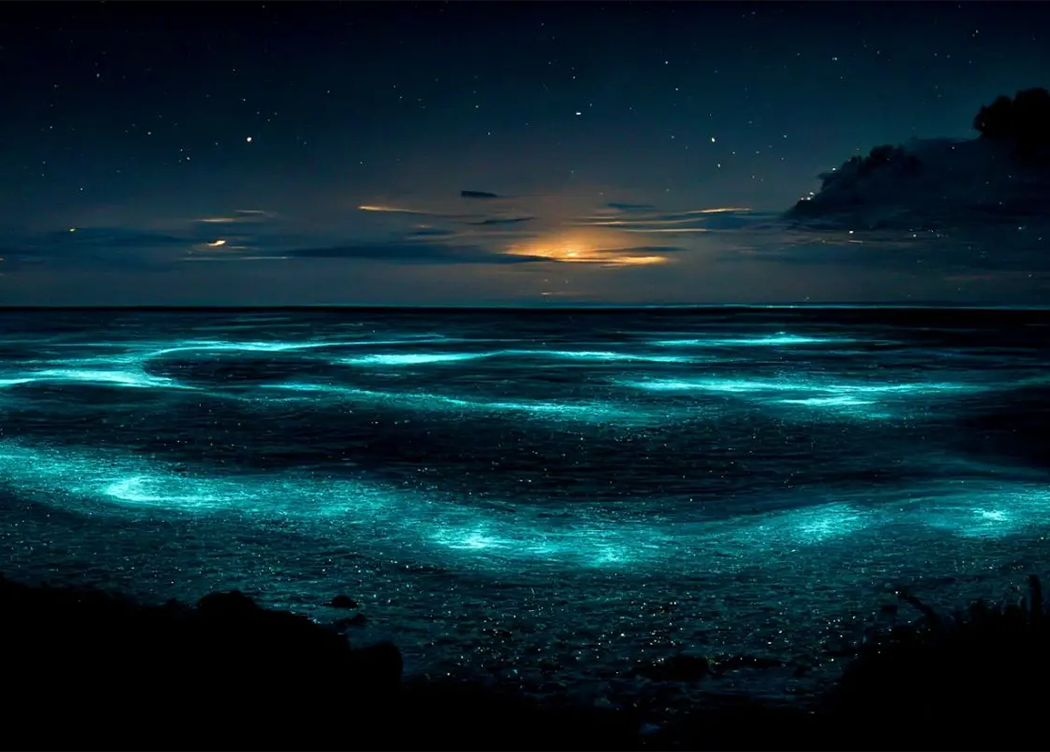
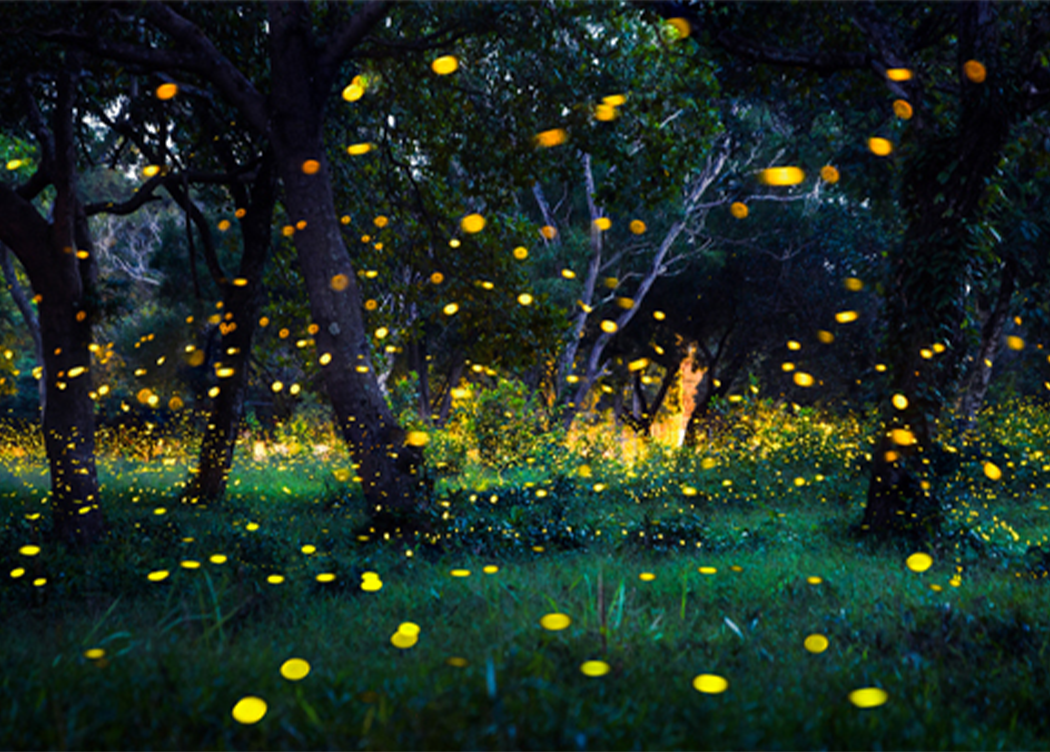
• Types of Luciferin: There are various types of luciferins, such as: Luciferin from Fireflies (Coelenterazine): Emits yellow-green light and is a classic example of bioluminescence in terrestrial organisms. Dinoflagellate Luciferin: Found in certain plankton, these luciferins are responsible for the stunning blue bioluminescence seen in some coastal waters.
• Bioluminescent Pathways: The specific pathway of the bioluminescence reaction can vary, with some organisms using additional cofactors, such as calcium ions or specific substrates, to enhance luminescence.
Ecological Roles of Bioluminescence
• Predation and Foraging: Many bioluminescent organisms such as anglerfish possess light-producing organs that serve as lures to attract prey. Similarly, some deep-sea creatures exhibit bioluminescent patterns on their bodies to confuse or distract predators, thus increasing their chances of survival.
• Mating and Reproduction: Fireflies are known for their intricate mating displays, where males emit specific light patterns to attract females. Some marine organisms, such as certain species of copepods, display bioluminescent signals during courtship.
• Defense Mechanisms: Some squid species can eject bioluminescent fluid to create a "smoke screen," allowing them to escape from predators. Other species might exhibit warning flashes when threatened.
• Symbiotic Relationships: Certain bioluminescent bacteria live symbiotically within the bodies of organisms such as the Hawaiian bobtail squid. The squid utilizes the bacteria’s bioluminescence for camouflage by matching the light from the water's surface.