Examples
Marine Bioluminescence:
Approximately 80% of bioluminescent organisms are found in marine environments. They are prevalent among various taxa, including:
• Jellyfish: Many jellyfish species produce bioluminescence, which can serve multiple purposes, including attracting prey and deterring predators.
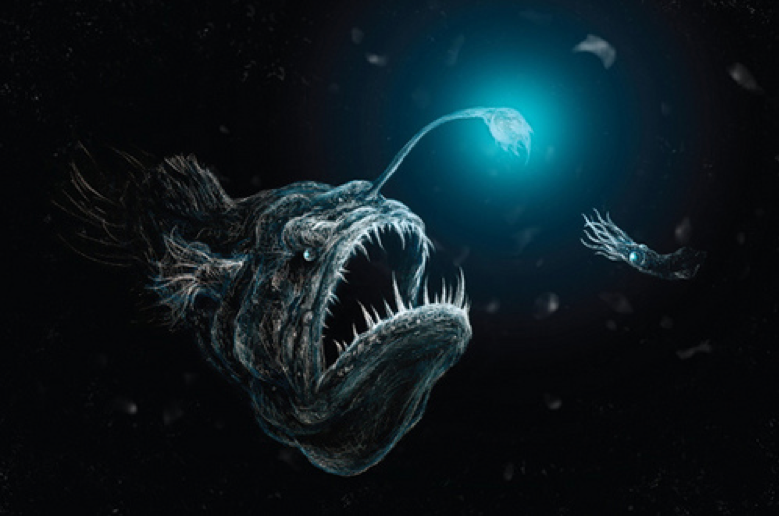
• Fish: Deep-sea fish often have light-producing organs (photophores) that help with camouflage, attraction of mates, or luring prey.
• Plankton: Bioluminescent dinoflagellates can create glowing waves in the ocean, a phenomenon often called “sea sparkle.” Their light can be triggered by physical disturbances, such as waves or passing boats.
Terrestrial Bioluminescence:
Theartisti phenomenon is less common on land but still present. Examples include:
• Fireflies (Lampyridae): Known for their distinct mating signals, which vary among species.
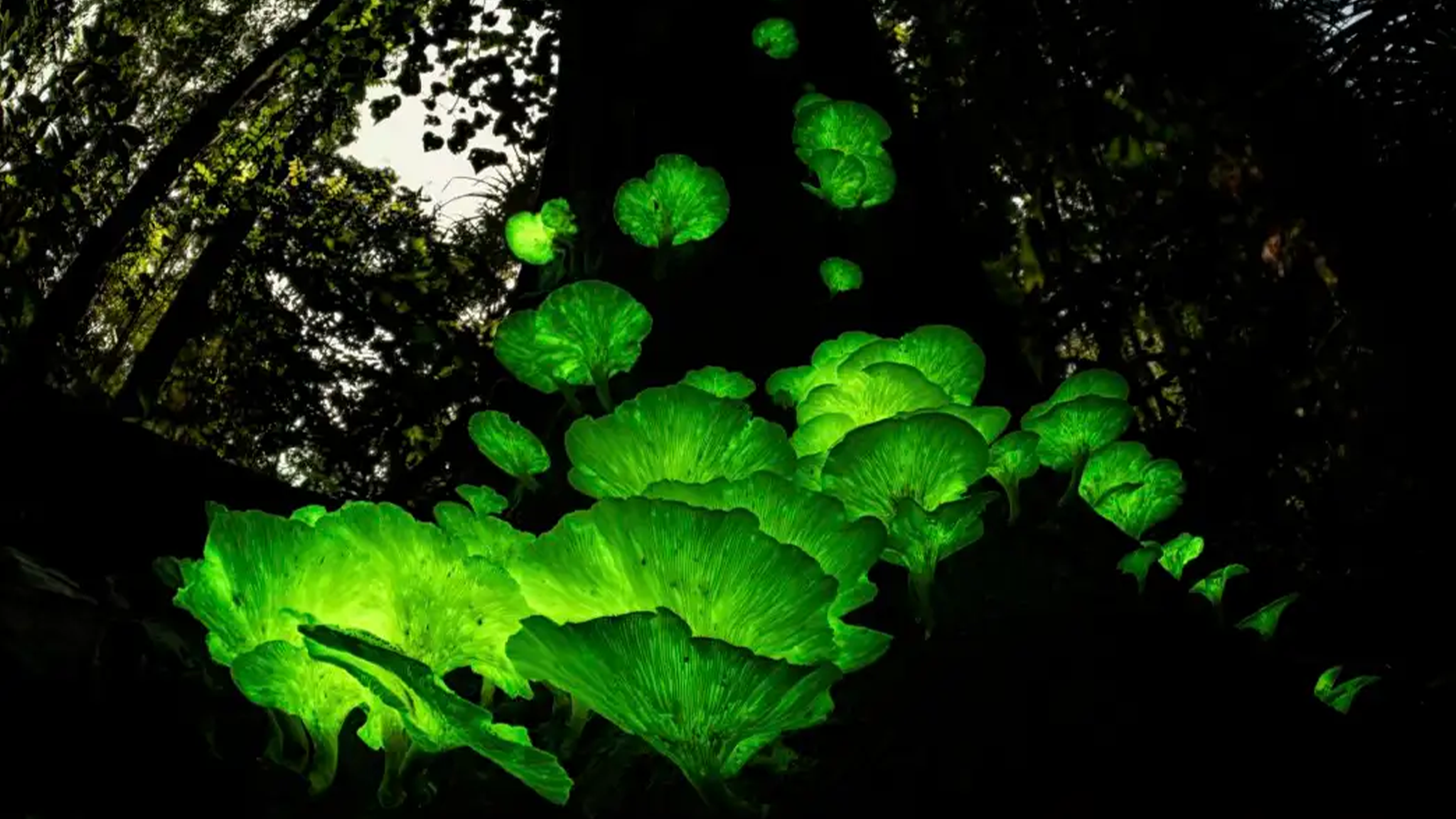
• Fungi: Species like Armillaria mellea exhibit bioluminescence, commonly referred to as "foxfire," which can illuminate forest floors.
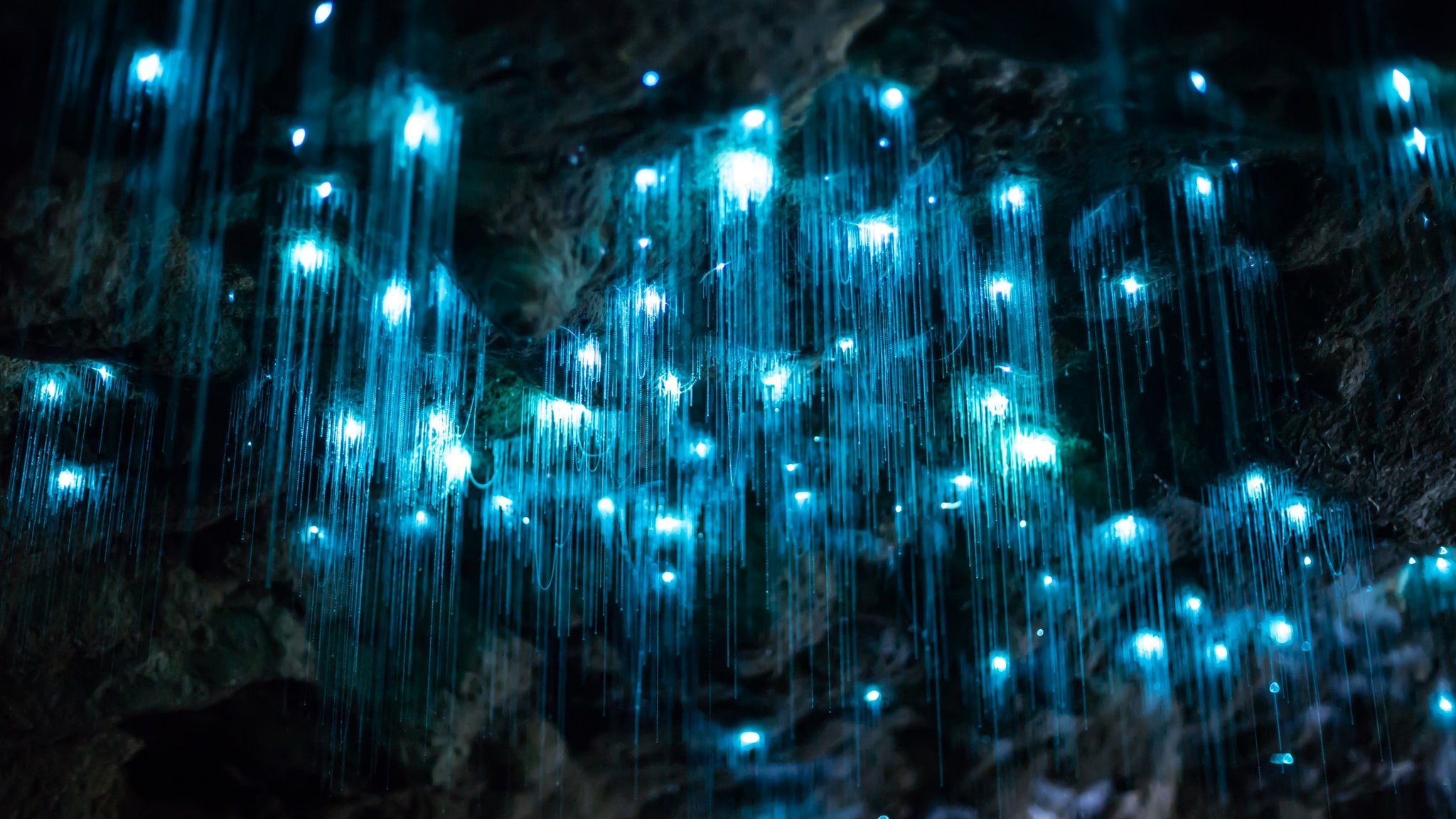
• Glow Worms: Found in caves, these larvae produce light to attract prey, often creating beautiful, glowing displays.