Cultural Significance and Artistic Inspiration
• Mythology and Folklore: Many cultures have myths surrounding bioluminescent organisms, considering them mystical or magical. For instance, fireflies are often seen as symbols of hope and love in various mythologies.
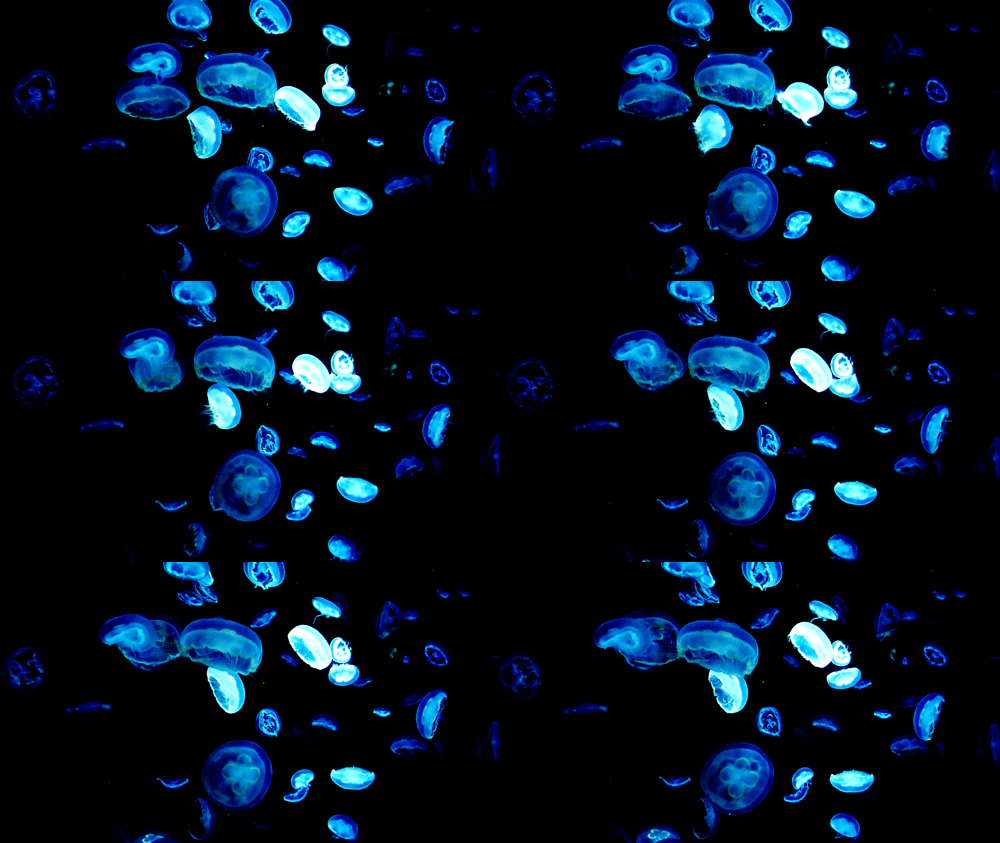
• Art and Literature: The ethereal beauty of bioluminescent displays has inspired numerous artworks, poetry, and stories throughout history, capturing human fascination with light in the darkness.
• Tourism and Education: Bioluminescent bays, such as Mosquito Bay in Vieques, Puerto Rico, attract tourists and raise awareness of marine conservation. These sites promote education about the delicate ecosystems in which bioluminescent organisms thrive.


Ongoing Research and Future Directions
• Evolutionary Studies: Scientists are investigating the evolutionary origins of bioluminescence and how it has developed independently in different lineages. This research helps to illuminate the adaptive significance of bioluminescence in various ecological niches.
• Genetic Engineering: Advances in genetic engineering may allow for the development of new bioluminescent organisms with applications in sustainable lighting solutions or bio-sensing technologies.
• Climate Change Impact: Researchers are examining how environmental changes, such as ocean acidification and warming, may affect the bioluminescent capabilities of marine organisms and the ecological balance of ecosystems.