Jefferson Pinder
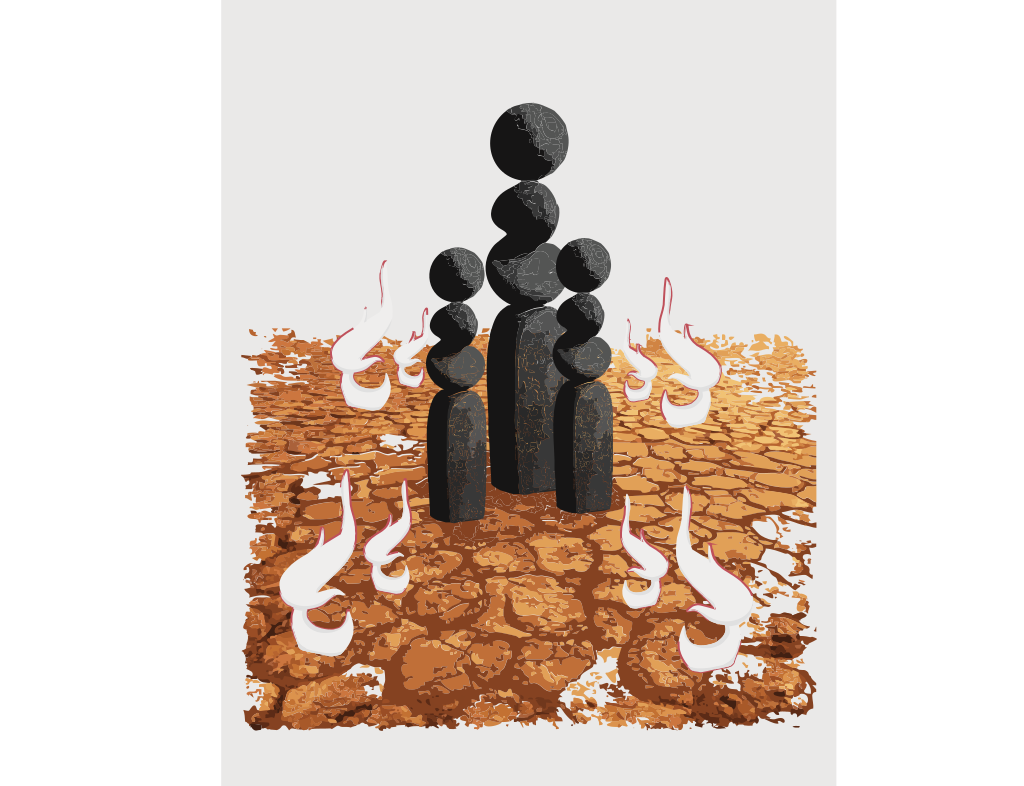
Social Inequality and Race – Through their installation, Jefferson Pinder question the power dynamics of the Gilded Age, revealing the disparities between the elite who lived in these grand homes and the laborers who built and maintained them.
Biography
Jefferson Pinder earned his BA in 1993 and MFA in 2003 from the University of Maryland, College Park. His work has been exhibited at institutions such as The Studio Museum in Harlem, the National Portrait Gallery in Washington, D.C., the Wadsworth Athenaeum Museum of Art in Hartford, Zacheta National Gallery in Warsaw, and Showroom MAMA in Rotterdam. His work has been featured in publications like Art in America and Bling and Beyond and is included in collections such as the David C. Driskell collection, the High Museum of Art in Atlanta, the U.S. State Department, and Yale University Art Gallery. Pinder has received numerous accolades, including awards from the Headlands Center for the Arts, the Creative Communities Initiative Grant, and a Full Award Fellowship from the Vermont Studio Center.
Pinder’s artistic practice engages with themes of race and struggle, utilizing neon, found objects, and video to explore identity in dynamic and often physically demanding contexts. His work ranges from striking video portraits set to popular music to endurance-based performances that examine the Black body in motion, highlighting both its physical and emotional resilience. His art has been showcased in major exhibitions, including the 2016 Shanghai Biennale and the Smithsonian Museum of African American History and Culture. Recognized for his contributions to performance art, he received the United States Artists’ Joyce Fellowship Award in 2016 and was named a John S. Guggenheim Fellow in 2017. In 2022, he was a Smithsonian Artist Residency Fellow and also received a MacDowell Fellowship.
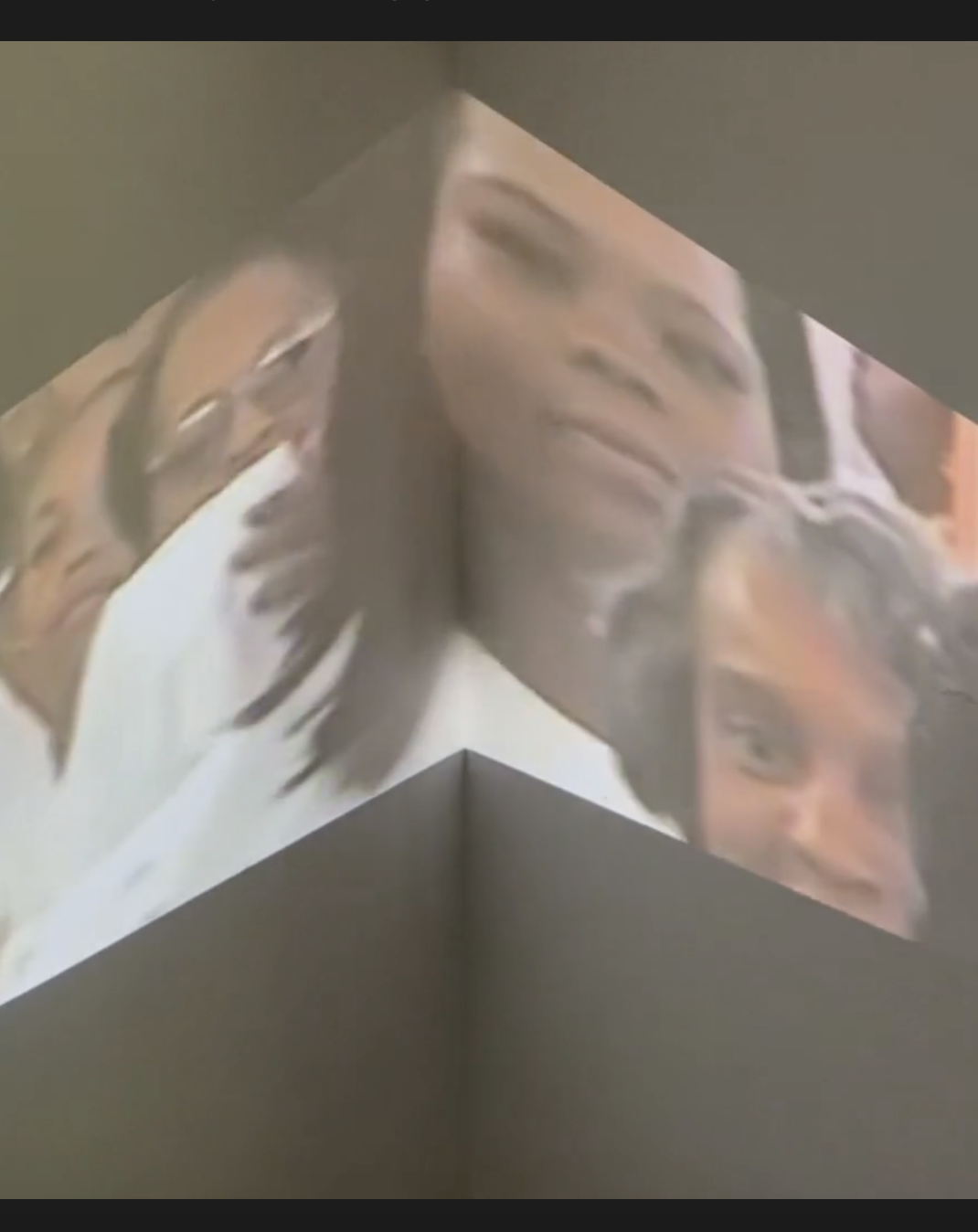
Transcendance
2022 WASHINGTON, D.C.
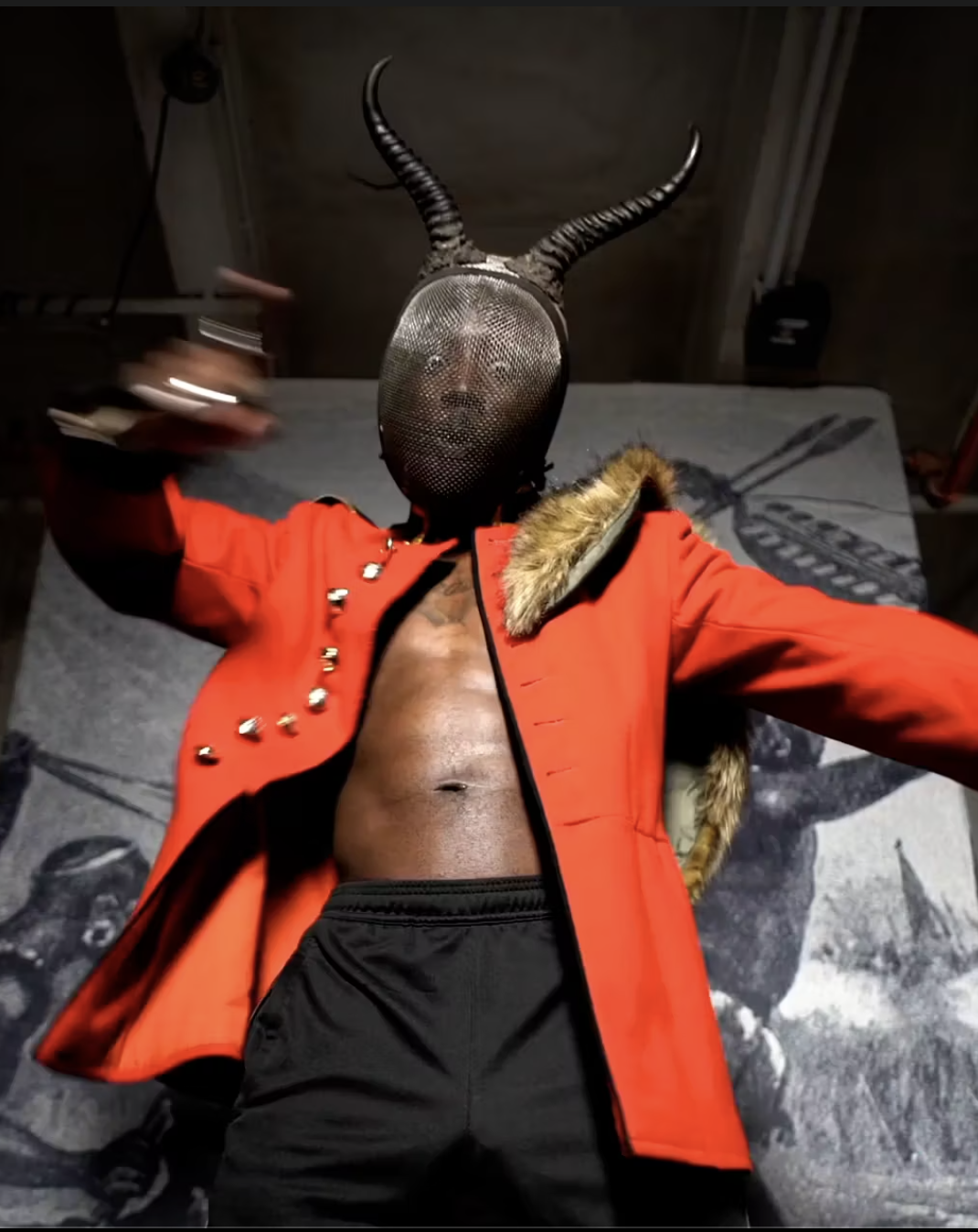
Zulu Sign Language
BLACKSBURG, VA: VIRGINIA TECH RESIDENCY
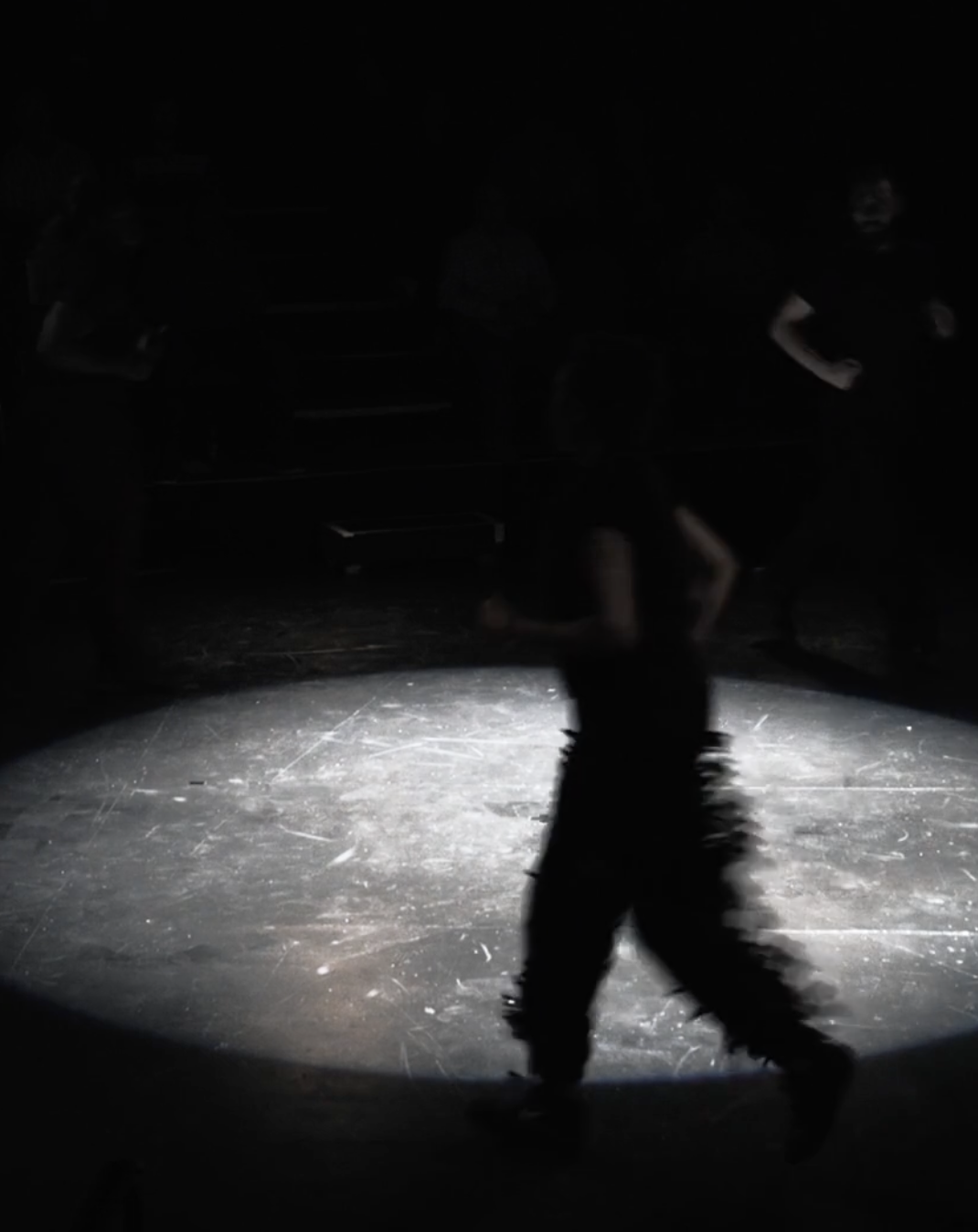
THIS IS NOT A DRILL
2019 PERFORMANCE,VIDEO 2-CHANNEL HD VIDEO RECORDING
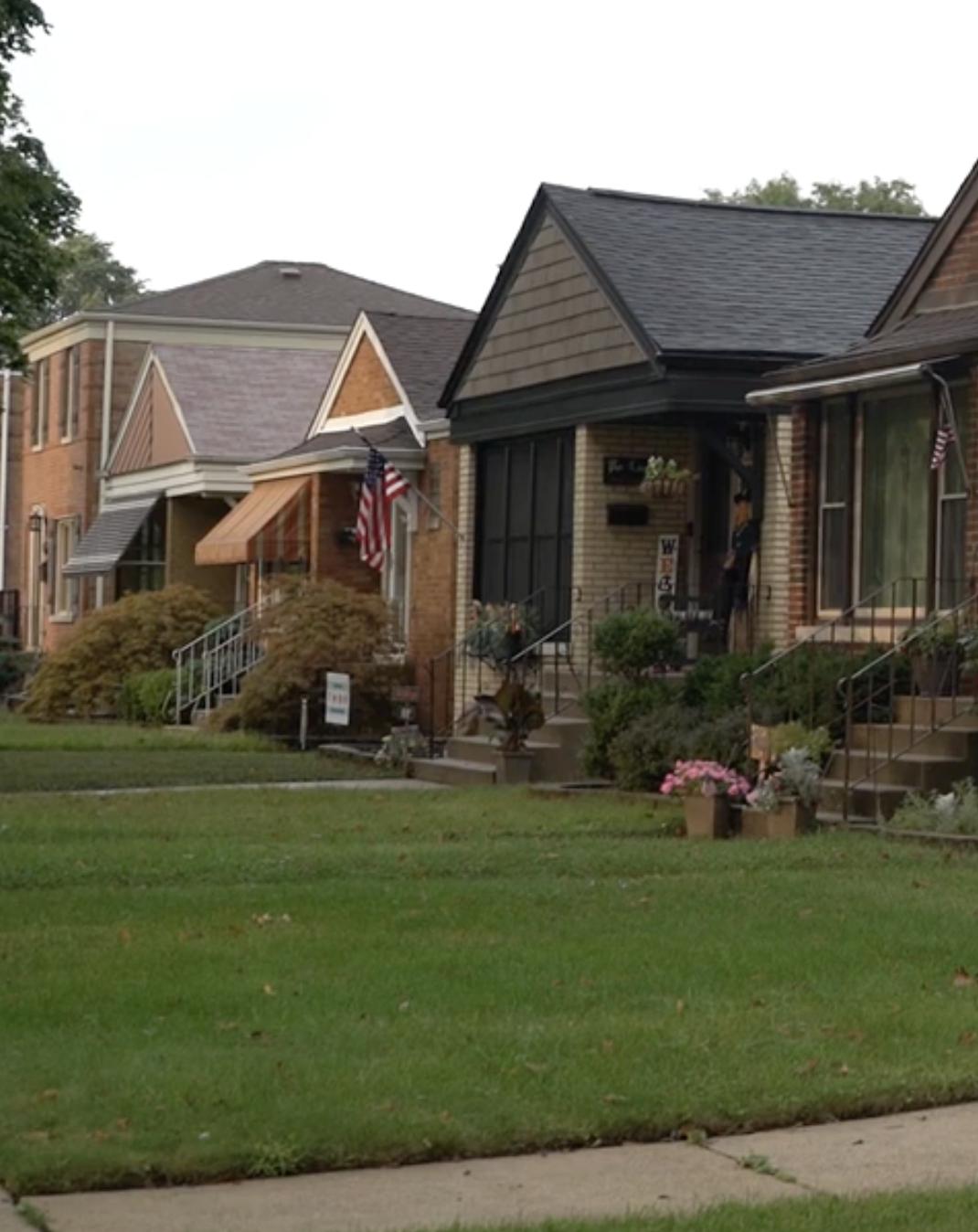
Prowl
2020 PERFORMANCE, MOUNT GREENWOOD, IL HD VIDEO RECORDING
Prowl
2020 PERFORMANCE, MOUNT GREENWOOD, IL HD VIDEO RECORDING
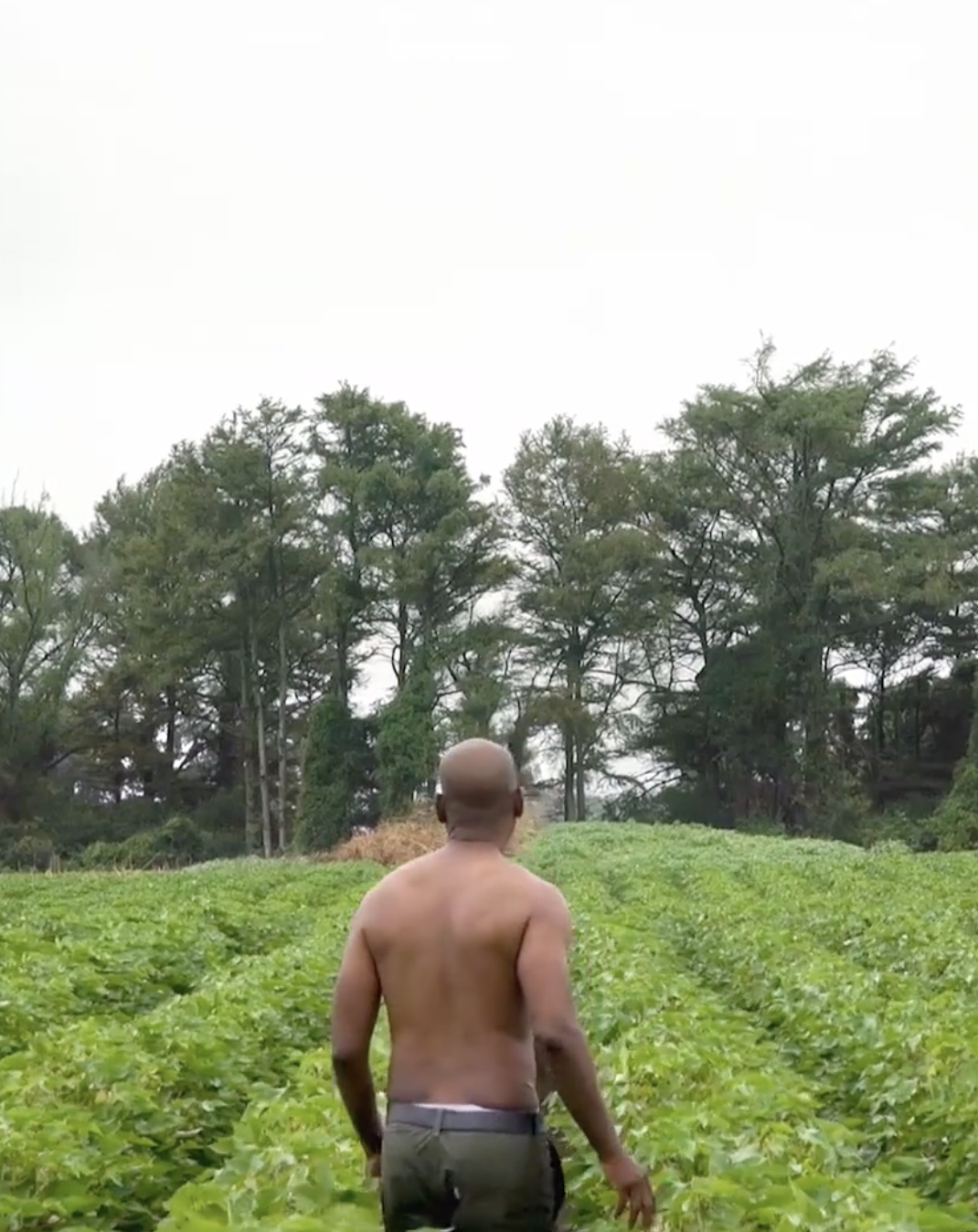
Elaine
2019 PERFORMANCE, VIDEO
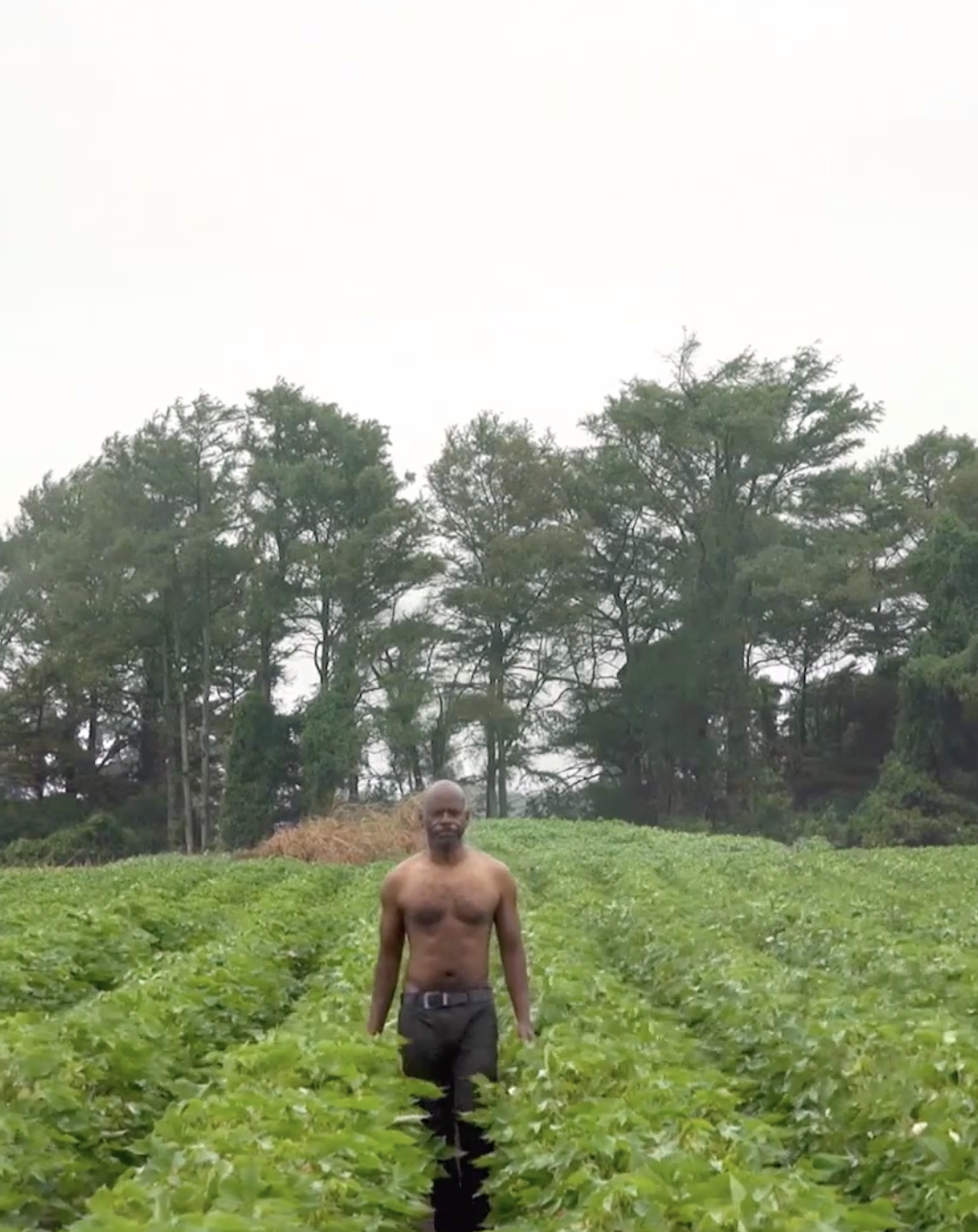
Elaine
2019 PERFORMANCE, VIDEO
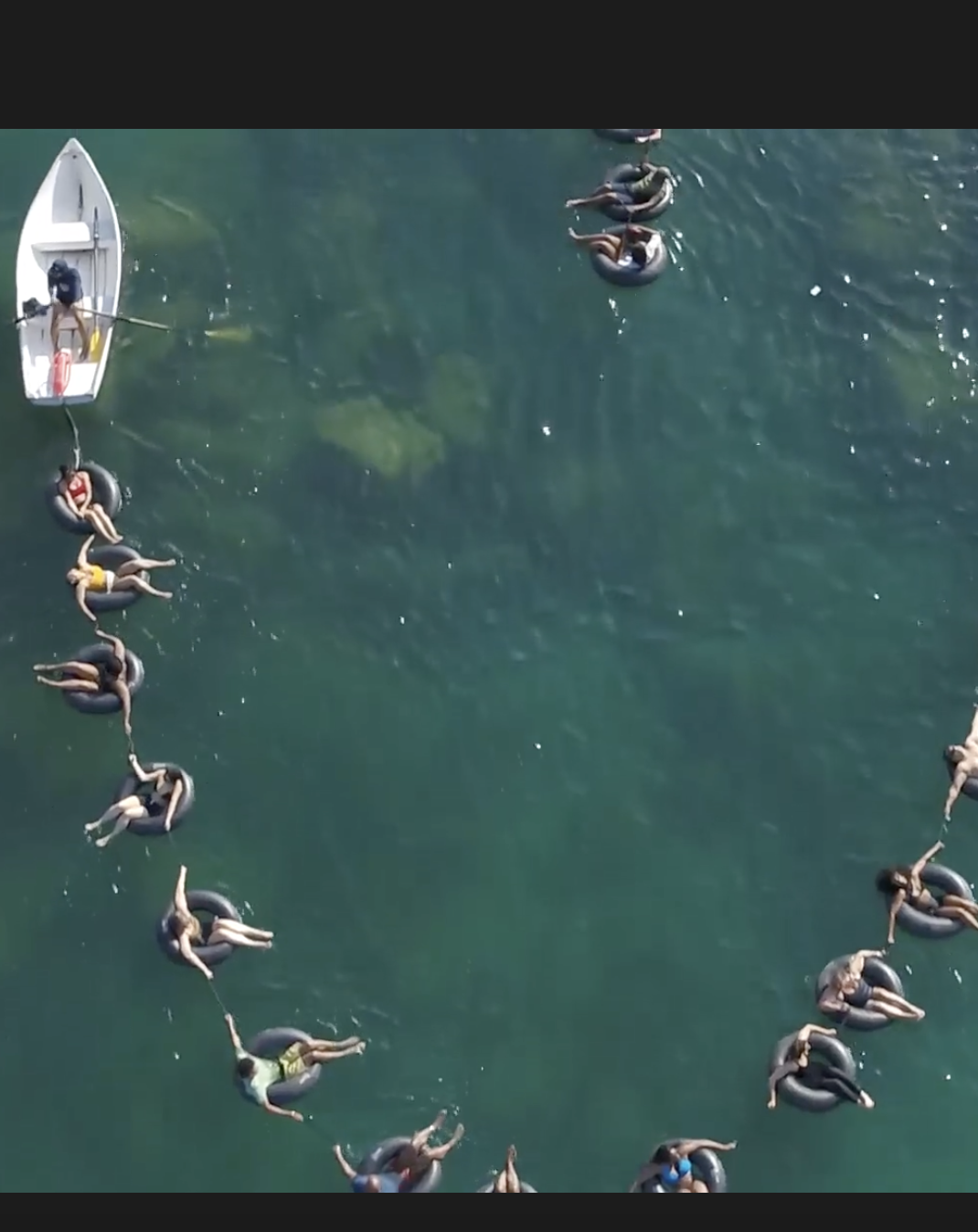
float
2019 PERFORMANCE, LAKE MICHIGAN, CHICAGO, IL HD DIGITAL VIDEO RECORDING
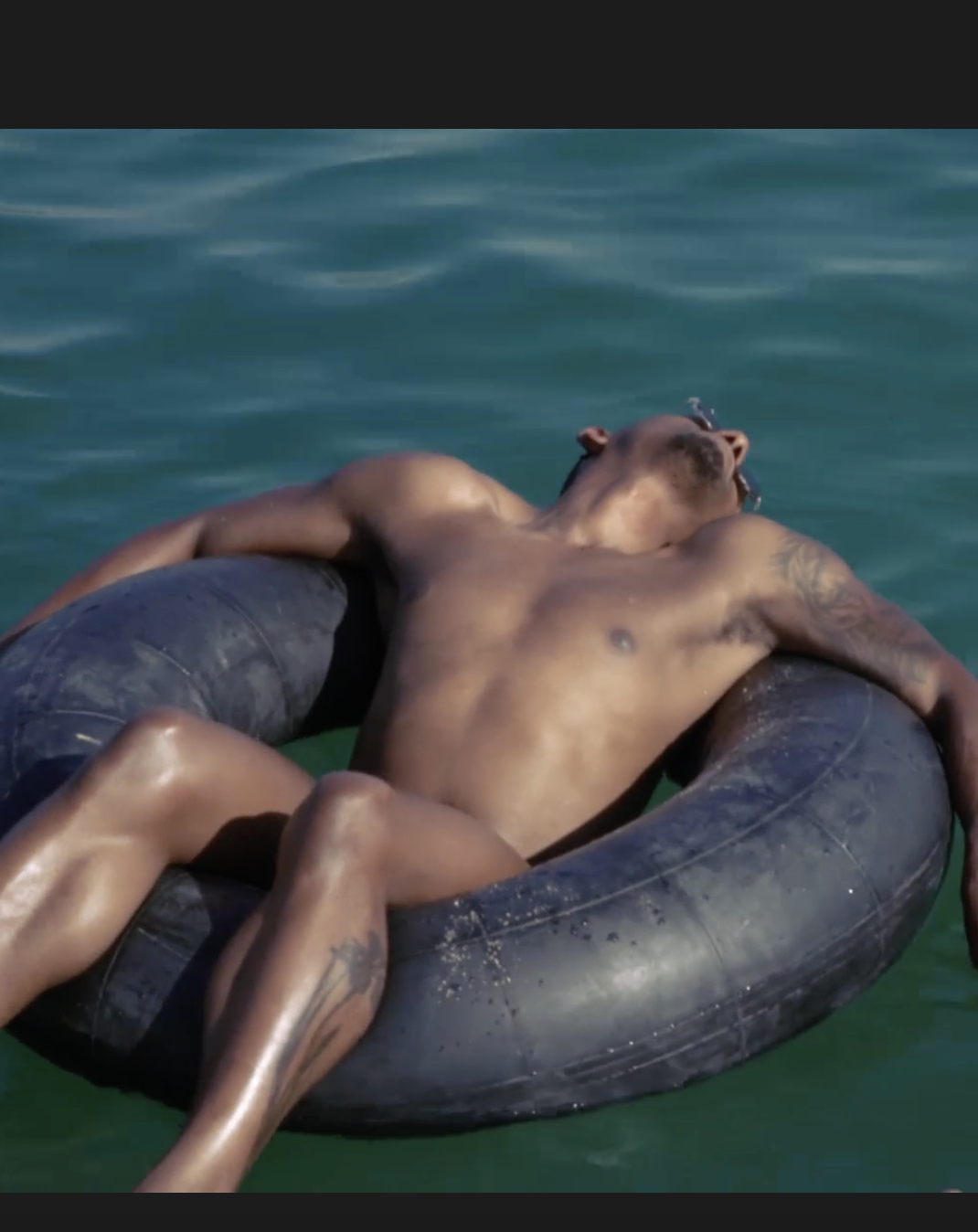
float
2019 PERFORMANCE, LAKE MICHIGAN, CHICAGO, IL HD DIGITAL VIDEO RECORDING