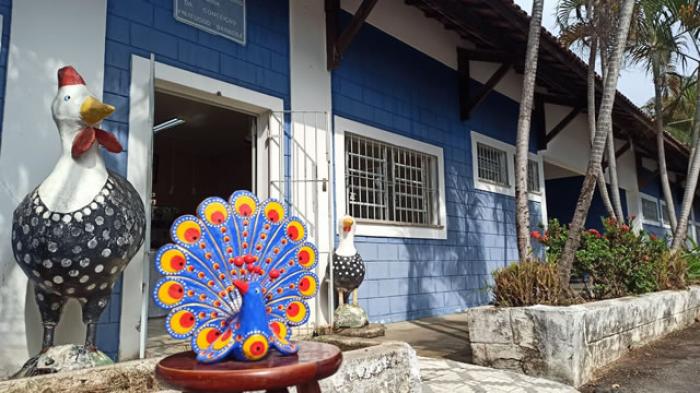
The figureiros of Taubaté
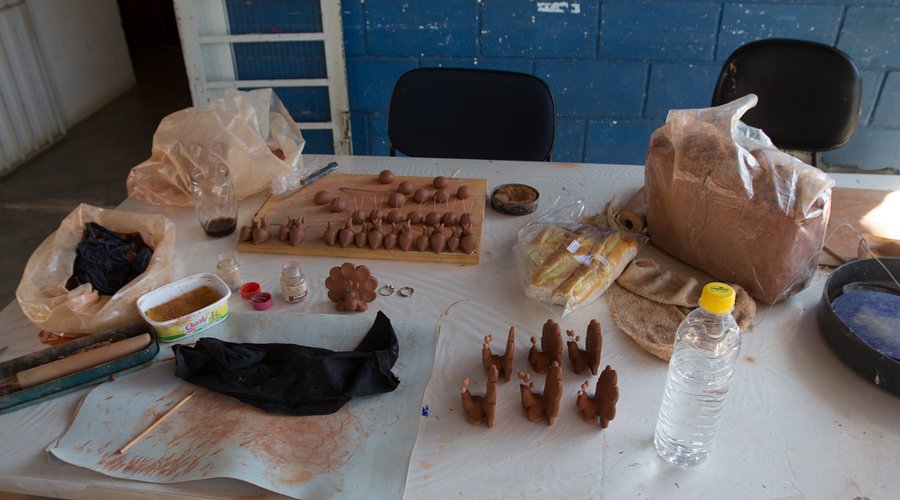
The figureiros of Taubaté are traditional clay artisans who create handmade figurines representing scenes of everyday rural life, religious imagery, and popular characters from the Vale do Paraíba region. This centuries-old craft is an important expression of local cultural identity, preserving community memories, customs, and storytelling through clay.
Maria da Conceição
Maria da Conceição Frutuoso Barbosa (born November 1, 1866) from Taubaté was one of the first artisans connected to the city’s clay figure tradition. She worked as a cleaner and volunteer at the Convento Santa Clara, where she found a damaged statue of Our Lady of the Immaculate Conception and restored it using clay from the Itaim River. Despite having a degenerative genetic condition that limited the movement of her hands, she continued working and later began reproducing nativity figures inspired by European models.

In 1909, she helped organize the construction of a chapel dedicated to Our Lady of the Immaculate Conception and donated the restored statue. She died in 1950 in a sanatorium in São Paulo after being mistakenly diagnosed with leprosy. The original chapel was destroyed in 1982, but the statue remained intact and a new chapel was built the same year.
Folclore de São Paulo
According to research by Francisco de Assis (2008), the work of the clay figure artisans from Taubaté was largely unknown outside the city until the 1960s. Recognition began when Rossini Tavares de Lima, founder of the Museu do Folclore de São Paulo, organized exhibitions that presented their work to a wider audience, including an exhibition at Parque da Água Branca in 1964.
Another important moment came in 1979 during a competition organized by SUTACO to choose the symbol of handicrafts in the state of São Paulo. The winning piece was a peacock created by artisan Maria Cândida Alves Santos, inspired by a sculpture in the Municipal Market Square of Taubaté. The original peacock was white rather than blue, and its selection helped bring greater visibility to the artisans’ work, which was widely reported in newspapers at the time.