





TRADITION AND CULTURE
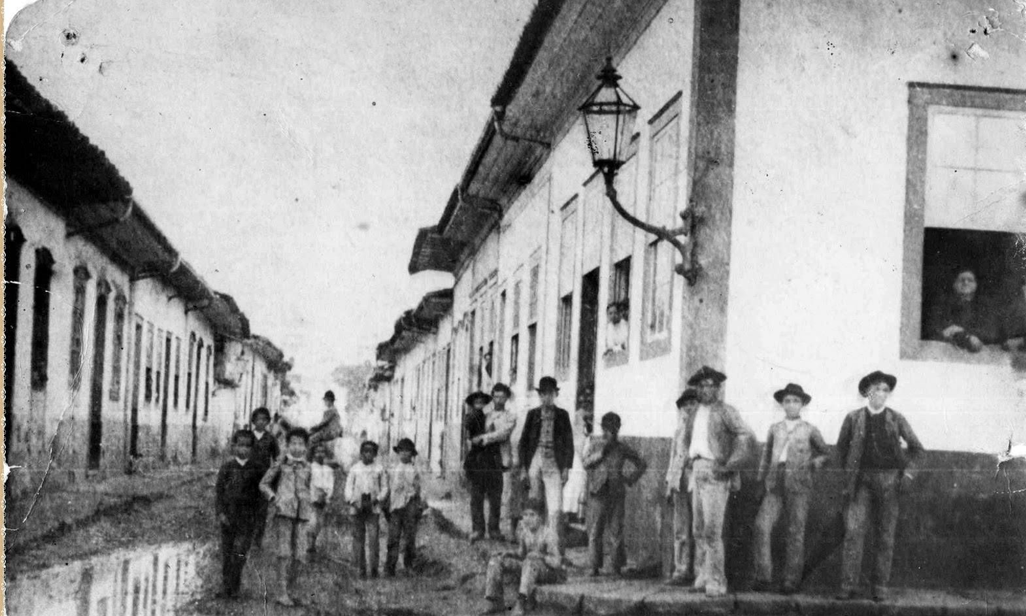
Taubaté has its origins in Indigenous occupation, as it was once part of the Tupinambá territory along the Paraíba do Sul River, a region that in the 16th century extended from the Juqueriquerê River near Caraguatatuba to Cabo de São Tomé in present-day Rio de Janeiro state.

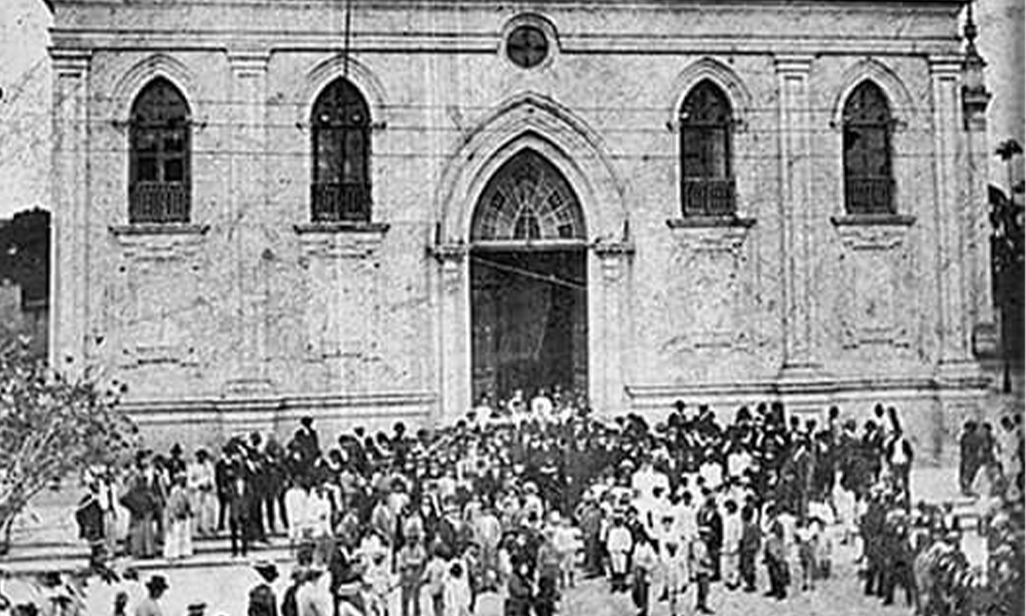
The first village was established in 1640 and became an autonomous locality on December 5, 1645, making it the first settlement in the Vale do Paraíba region to achieve this status. Elevated to city status in 1842, it developed into an important coffee-producing center during the 19th century. In the early 20th century, it hosted a significant political agreement in 1906 and, in 1908, became the seat of a Roman Catholic diocese. By 1900, it was the largest city in the interior of São Paulo state.
Religious Foundations of Taubaté
In the history of Taubaté, the presence of members of the Franciscan Order was connected to the social and religious organization of the region during the colonial period. These friars were involved in establishing and managing religious institutions, such as the Convento Santa Clara, which functioned as centers for religious practice, education, and cultural transmission. In this context, visual and material elements were often used as pedagogical tools to communicate Christian narratives and symbols to the local population.

Among these practices was the tradition of nativity scenes, which the friars brought from Europe, particularly Italy. Over time, this tradition was reinterpreted by the local population. Residents, especially women, began producing clay figures to complement or replace the existing pieces. This process incorporated local materials and techniques, contributing to the development of an artisanal practice associated both with religious representations and with the cultural production of the city.
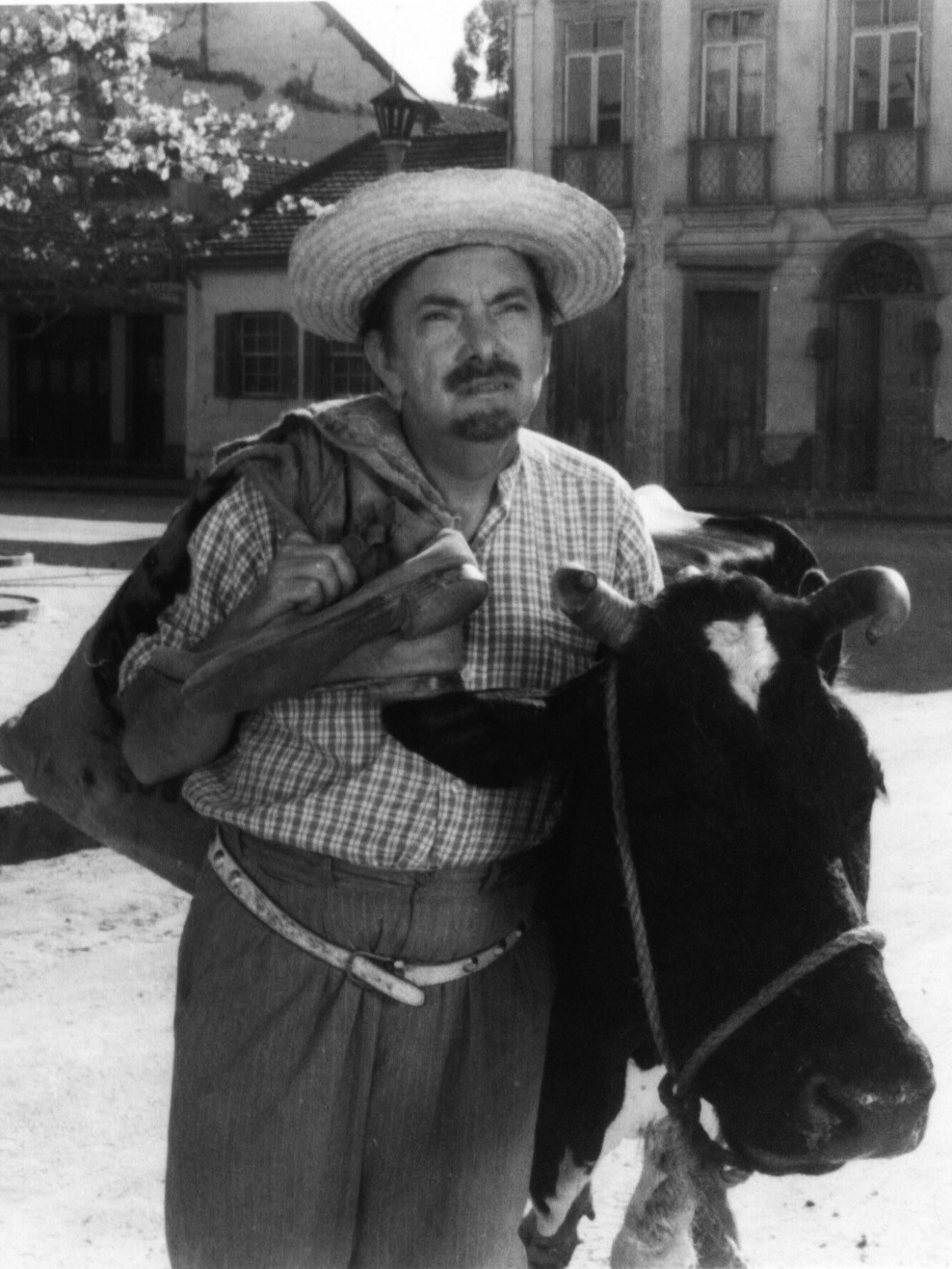
Amácio Mazzaropi
Amácio Mazzaropi is a Brazilian actor, director, producer, and comedian known for his iconic portrayal of the rural caipira character Jeca Tatu in a long series of popular comedy films that made him one of the most beloved figures in Brazilian cinema. He blended simple humor with social commentary, addressing issues such as rural life, politics, religion, racism, and ecology through his work.
“Farm of the Yellow Woodpecker”
Sítio do Picapau Amarelo is a series of 23 fantasy books for children written by Brazilian author Monteiro Lobato, who was from Taubaté, Brazil. The books were written between 1920 and 1940 and tell stories about a boy, a girl, and their talking toys who live on a farm. Together, they go on adventures and explore magical places such as outer space, ancient Greece, and underwater kingdoms. One of the most famous characters is the talking doll Emília.
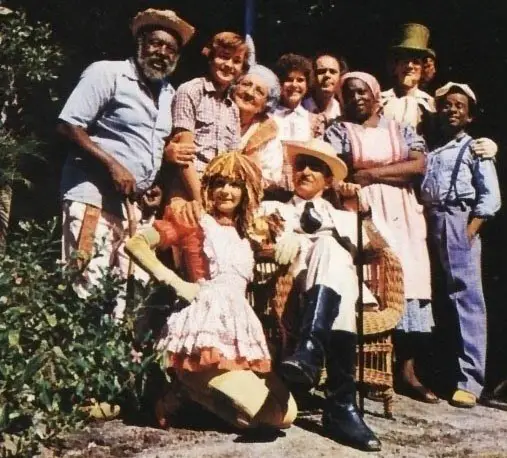
The series is one of the most important works in Brazilian children’s literature. It became very popular and was translated into several languages and adapted into movies and TV shows, especially productions by Rede Globo. However, the full series has never been translated into English.