Power is often now centered about governance—it’s about controlling the narrative. Politics has never been solely about policy. It has always been a contentious reckoning of perception, over who gets to define what is real. But today, this is no longer fought in the margins—it is the entire game. Truth is not debated—it is manufactured. Instead of engaging with reality, political actors often shape it. Rather than adjusting their messaging to fit the facts, they adjust the facts to fit their message and world-view. The goal is not to persuade, but to disorient, overwhelm, and exhaust the public until the concept of truth itself feels obsolete.
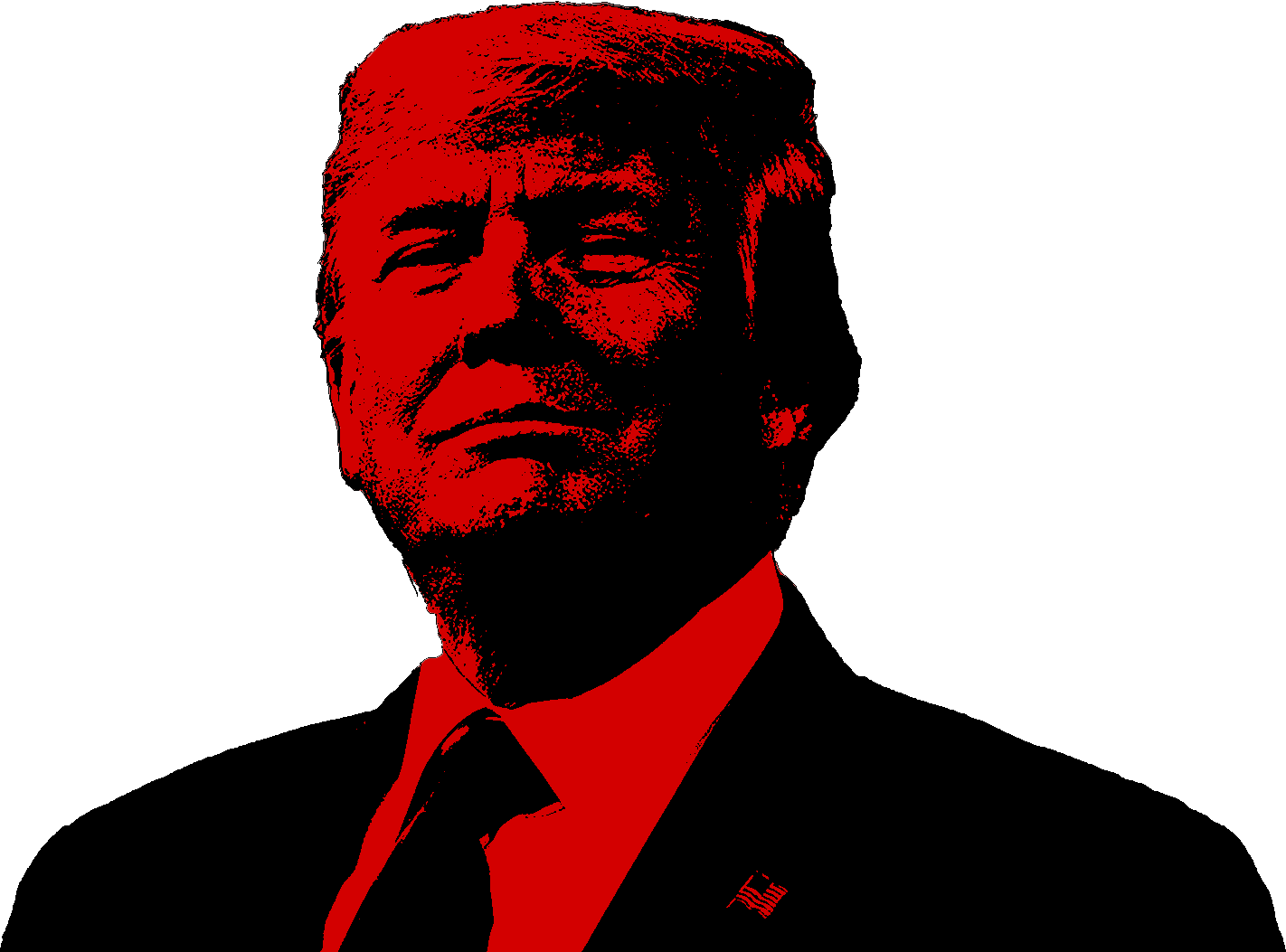
Donald Trump and other political actors have taken advantage of the volitile notion of truth. His relationship with truth is not one of deception or simple lying—it is an active reshaping of reality, designed to place loyalty above fact and power above accountability.
MAGA is not just a political movement—it is an alternative reality. Anything, anything at all, that runs counter to the in-group, can be dismissed as "fake news." These types belief systems do not operate on evidence but on identity, spectacle, and exclusion. Within this reality, loyalty determines truth. To question the Republican party, or the current figurehead, is to betray the movement. Truth is not about facts but about allegiance.
Reality is a contest of power. Trump’s version of events is not debated—it is asserted as an act of dominance. The past is rewritten, and even events happening in real-time can be reframed to fit the narrative. The gaslighting here is palpable. From election outcomes to historical events, narratives shift to fit the political moment. Enemies must be manufactured. Truth is not proven—the power systems that control truth are protected by creating an endless stream of adversaries: the media, the "Deep State," the LGBTQ community, fact-checkers, scientists, judges.
This is what happens when truth becomes weaponized. This is not rejection of truth—it is a co-optation, using the tools of consensus to erode consensus itself. When every institution, journalist, and expert can be dismissed as corrupt or biased, truth no longer matters—only who controls the loudest voice.
Post-Truth politics is not about making a single claim and standing by it—it is about overwhelming reality itself. The MAGA playbook follows a clear cycle. First, flood the public with misinformation, disinformation, or too much information. It is not about making people believe one lie—it is about creating so many conflicting stories that no truth seems stable.
Then, undermine the credibility of institutions. If no authority can be trusted, truth becomes a matter of choice. Every issue is made about identity, not evidence. Political positions are not about facts but about belonging. Reality is redefined as a contest of power. What is true is what the leader says is true. MAGA is not about winning arguments—it is about making arguments impossible, damning these supporters to ideological bondage
If truth is just another battleground, then democracy becomes irrelevant. The consequences of Post-Truth politics are not just ideological—they are structural. Institutions collapse. When people no longer trust the courts, elections, or media, governance itself breaks down. The public disengages, and what is meaningful and vital to a functioning society begins to deteriorate.
If truth is impossible to verify, people stop trying. Cynicism replaces civic responsibility. The path to authoritarianism opens, as people turn towards any firguredhead that can provide them the certainty they need. This happens even if this figurehead makes decisions that go against their best interests. If reality is dictated by power, then democracy becomes obsolete—only loyalty remains.
"Truth, though powerless and always defeated in a head-on clash with the powers that be, possesses a strength of its own… Persuasion and violence can destroy truth, but they cannot replace it." Hannah Arendt