There's abstract art throughout the museum. Observe the details, observe the images and pay attention to how the pieces fit.
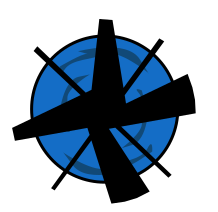
Abstractions of our Home
Abstract art is a style of art that doesn’t try to represent reality directly. Instead of showing recognizable objects, people, or scenes, it uses shapes, colors, lines, and textures to express ideas, emotions, or moods. It often focuses on the feeling or energy behind something rather than how it looks in real life.
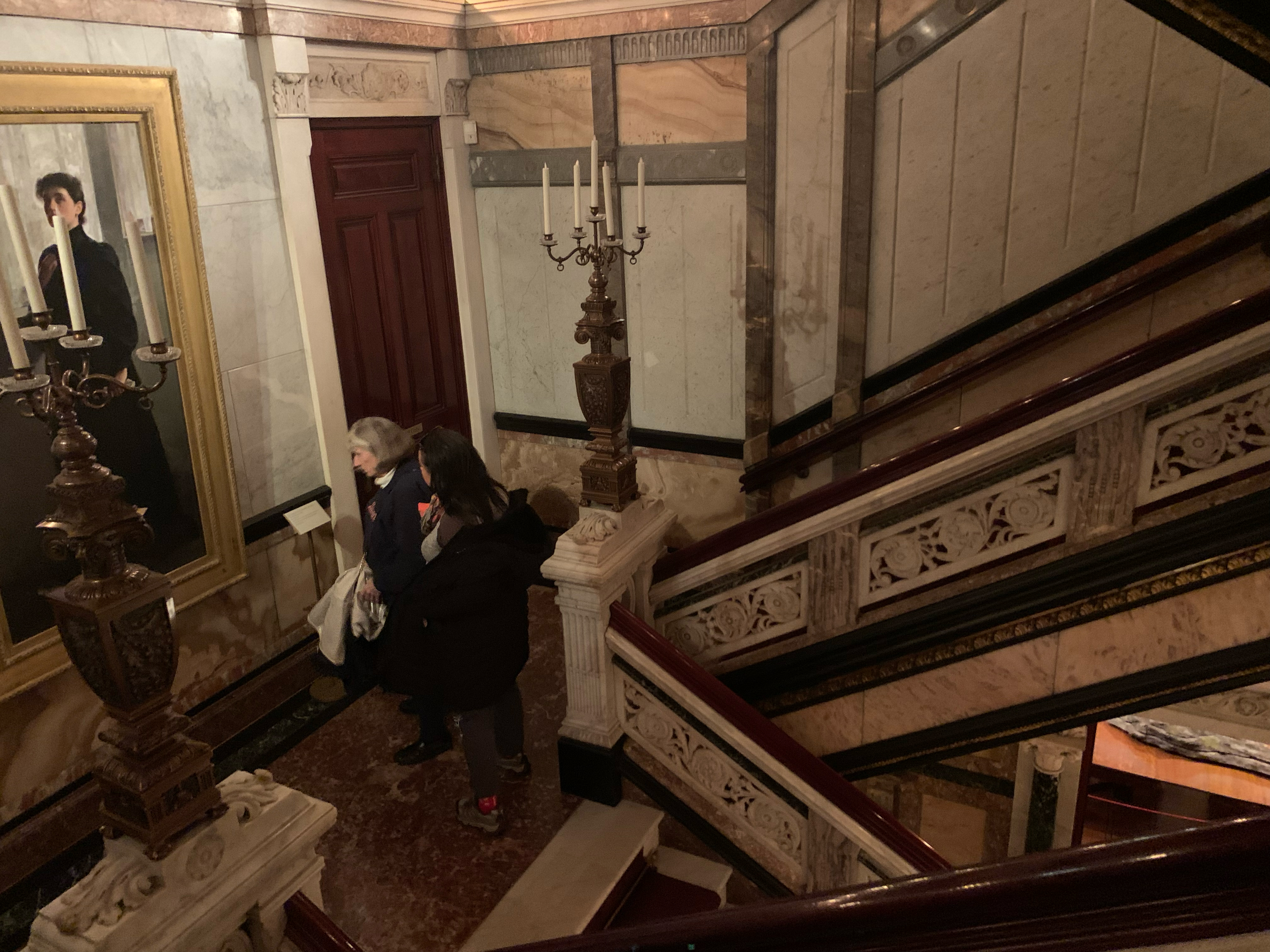
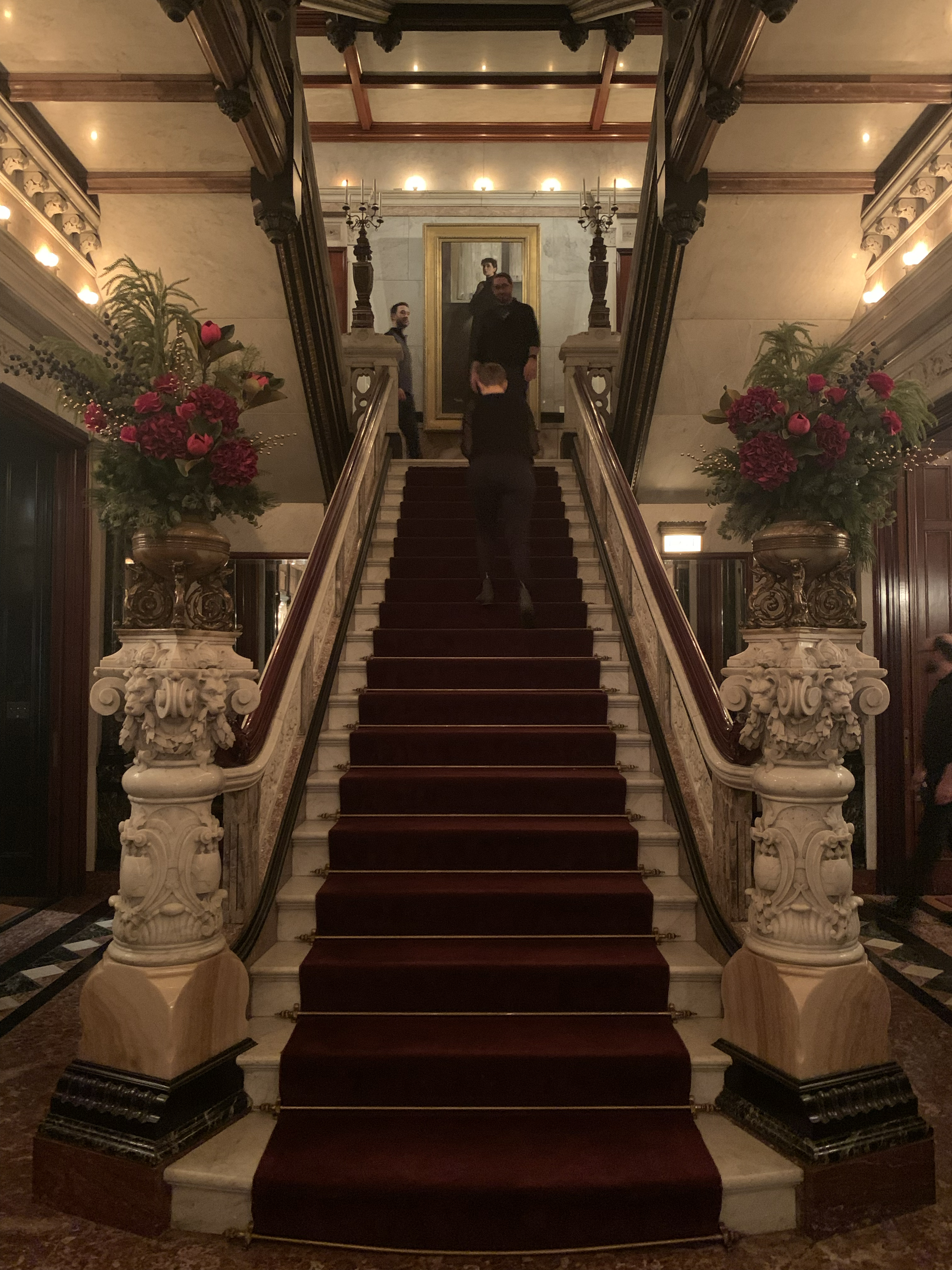
Lines
Lines are one of the most powerful tools in abstract art. They act like visual pathways—guiding the eye, creating movement, and shaping emotion. A line can be bold or delicate, straight or chaotic, smooth or broken. It can define a boundary, suggest a form, or simply exist on its own, full of energy or calm.
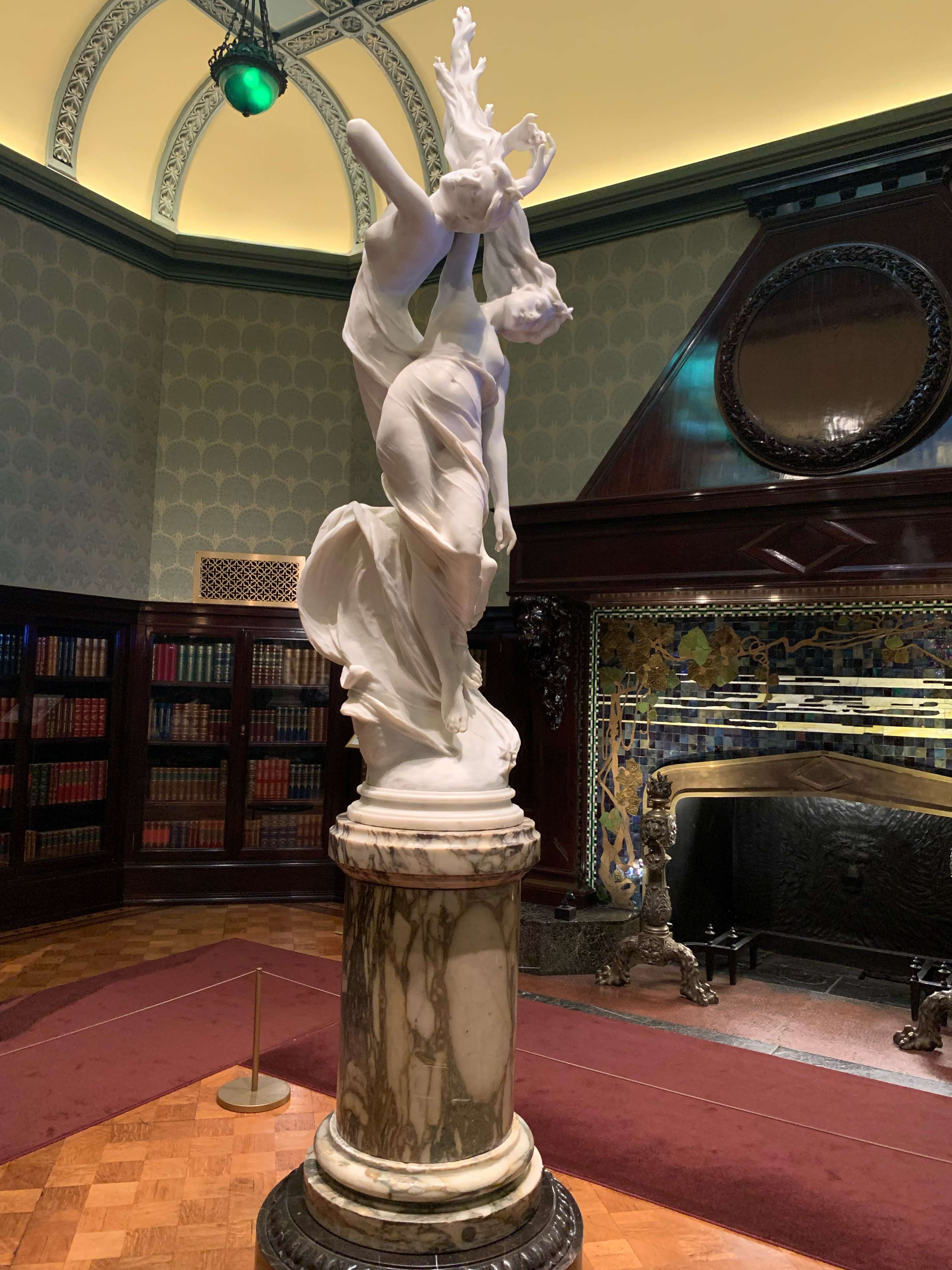
Textures
Texture adds a physical and emotional dimension that shapes and colors alone can’t always express. It’s the quality of a surface—whether it looks rough, smooth, gritty, soft, or layered—and it influences how we feel about a piece as much as how we see it.
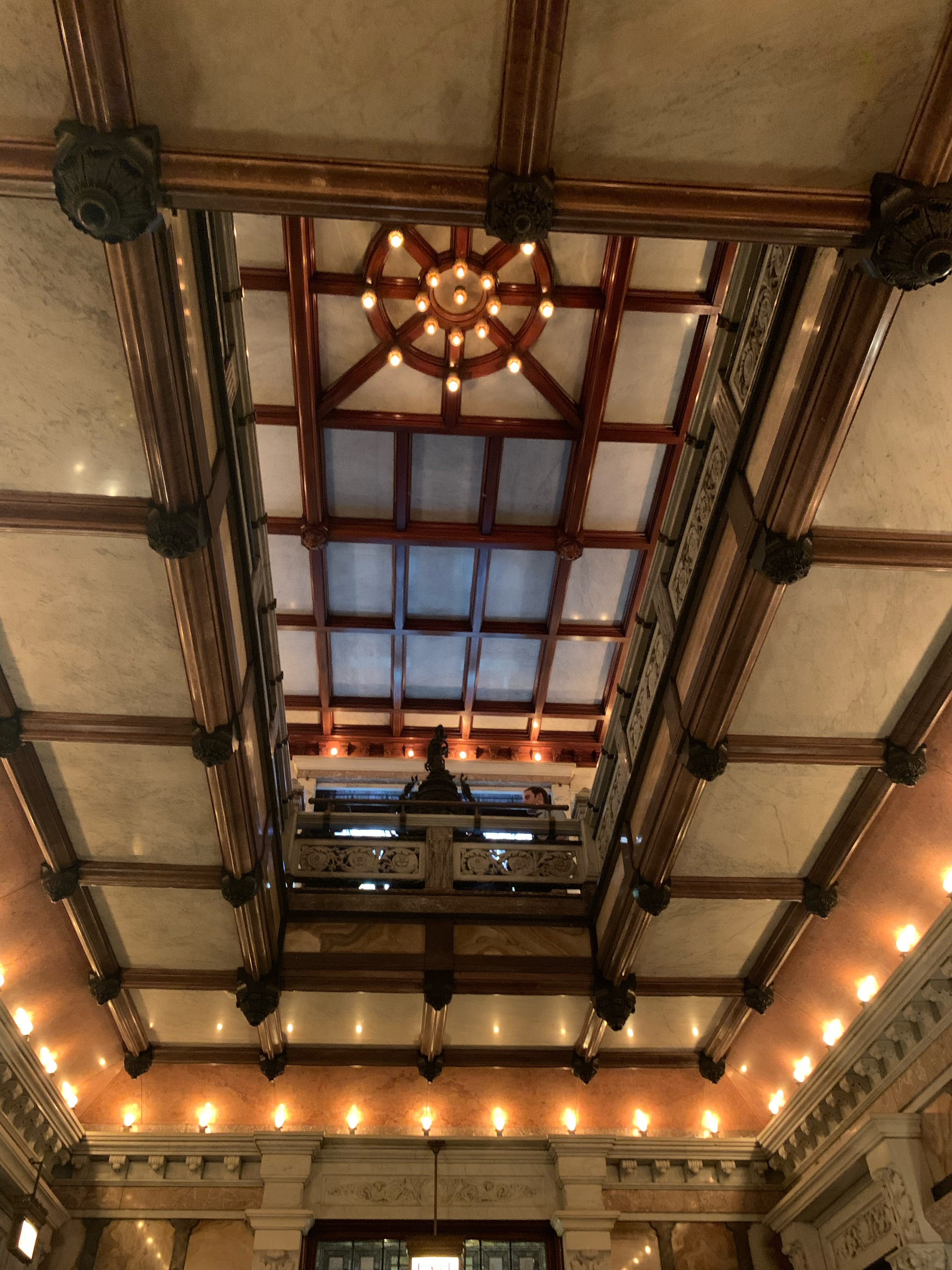
Shapes
They become the main characters of the story, carrying emotion, rhythm, and movement without needing to represent anything literal. A sharp triangle might feel tense or aggressive, while a soft, round circle can feel calm or comforting. Rectangles and lines might bring structure and balance.