Contemporary vs. Historical Dialogue
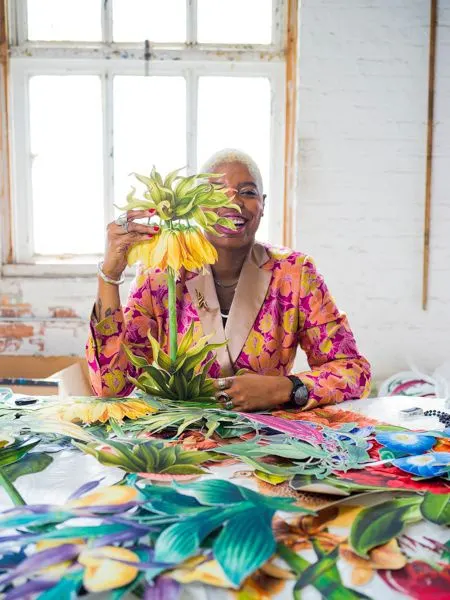
This theme examines the dynamic relationship between the Gilded Age aesthetics of the Nickerson Mansion and modern artistic expressions. By placing contemporary works alongside historic artifacts, artists like Richard Hunt , Ebony G. Patterson , and Jefferson Pinder redefine notions of beauty, value, and relevance. Their works amplify marginalized voices, critique exclusionary histories, and explore the intersection of race, class, and power. This dialogue challenges viewers to reconsider traditional hierarchies and embrace new perspectives.


Contribution to Materialities
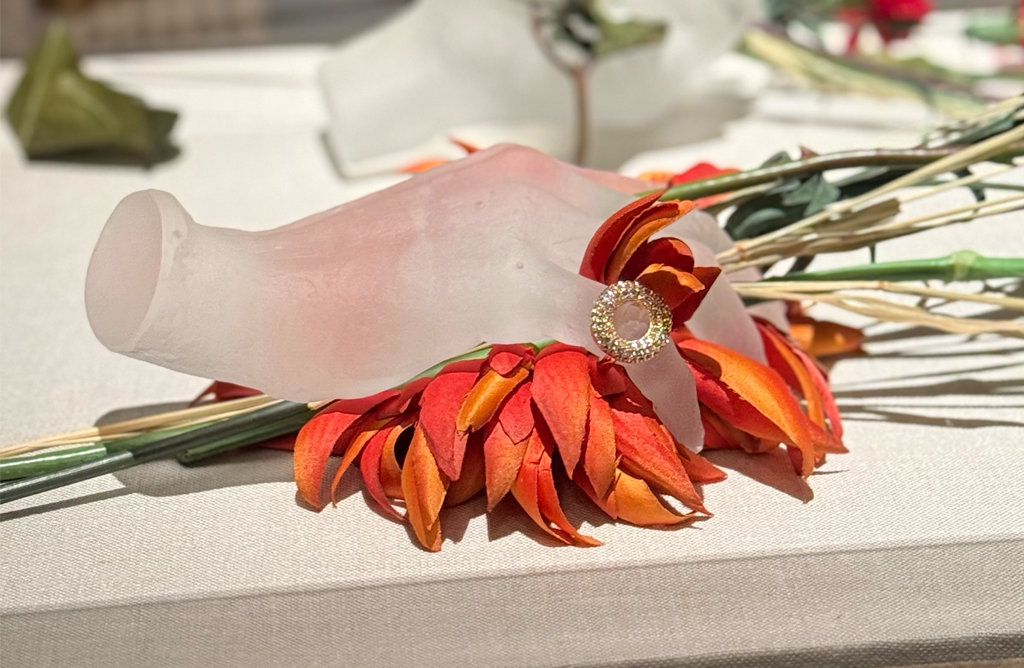
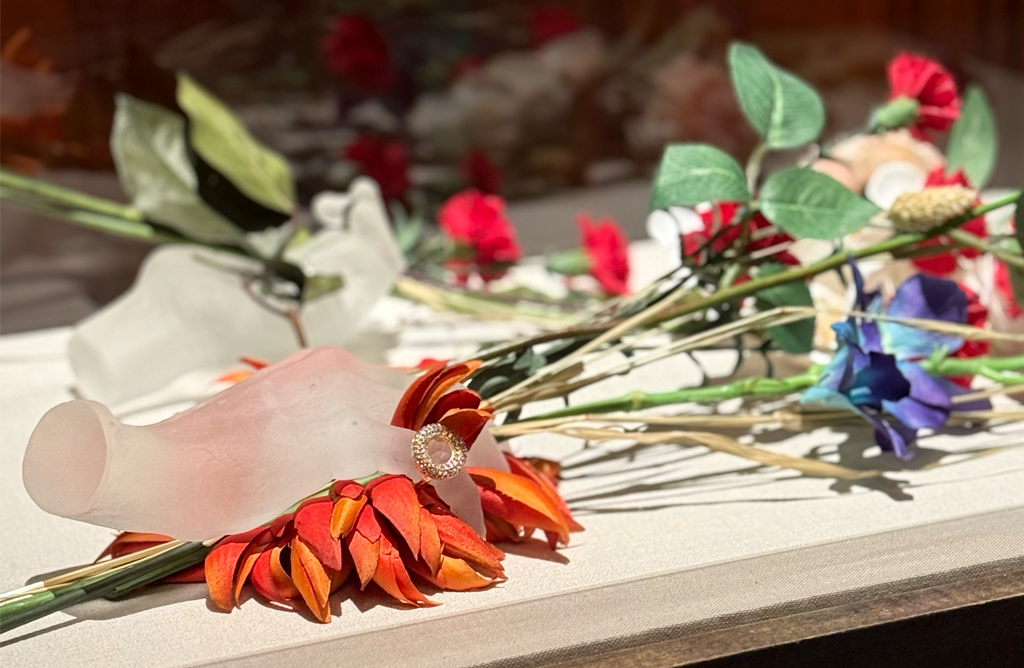
For the Materialities exhibition, Ebony G. Patterson addresses the tension between the Nickerson Mansion’s exclusionary history and the stories of those who were historically erased or marginalized. Her layered installations juxtapose vibrant colors and intricate details with dark Victorian backdrops, creating a visual metaphor for the interplay between visibility and invisibility. Patterson’s work amplifies the voices of the unseen—those whose contributions to history have been overshadowed by dominant narratives. By incorporating textiles, found objects, and mixed media, she transforms the mansion’s opulent spaces into sites of remembrance and resistance. Her installations critique the colonial legacies embedded in spaces like the Nickerson Mansion while honoring the resilience of marginalized communities through acts of mourning and celebration. Her contribution aligns with the exhibition’s theme of Contemporary vs. Historical Dialogue , as she bridges past and present by reimagining historical spaces through a lens of inclusivity and equity. Patterson’s work challenges viewers to reconsider whose stories are told—and how they can be reclaimed.
Ebony G. Patterson
Ebony G. Patterson is a multimedia artist whose work spans painting, photography, video, performance, and textiles. Born in Jamaica and based between Kingston and Chicago, Patterson’s practice centers on postcolonial aesthetics, exploring themes of visibility, invisibility, and mourning within the context of social justice and cultural identity. Her visually striking works often combine vibrant colors, intricate textures, and layered compositions to create immersive installations that challenge viewers to confront issues of erasure, marginalization, and resilience. Patterson’s art is deeply rooted in storytelling, using rich symbolism and bold visual language to amplify the voices of those who have been excluded or overlooked by history. Through her work, she critiques systemic inequalities while celebrating the beauty, strength, and complexity of marginalized communities. Her pieces often blur the boundaries between life and death, joy and grief, opulence and decay, creating a powerful tension that invites reflection and dialogue.