Most vivid dreams happen during REM (Rapid Eye Movement) sleep. During this phase, the brain is highly active, and the eyes move quickly under closed eyelids. The body is relaxed, but the mind is awake in a dream state.
Brain Activity
While dreaming, parts of the brain connected to emotions, memory, and images become very active. The logical part of the brain is less active, which is why dreams often feel strange or unrealistic.
Memory & Emotions
Dreams are closely linked to memory and emotions. The brain uses dreams to process experiences, feelings, and information from the day. This helps with emotional balance and learning.
Why do we dream?
Scientists still debate the exact purpose of dreams. Some theories say dreams help process emotions, others believe they support memory or creativity. Dreams may also help the brain prepare for real-life situations.
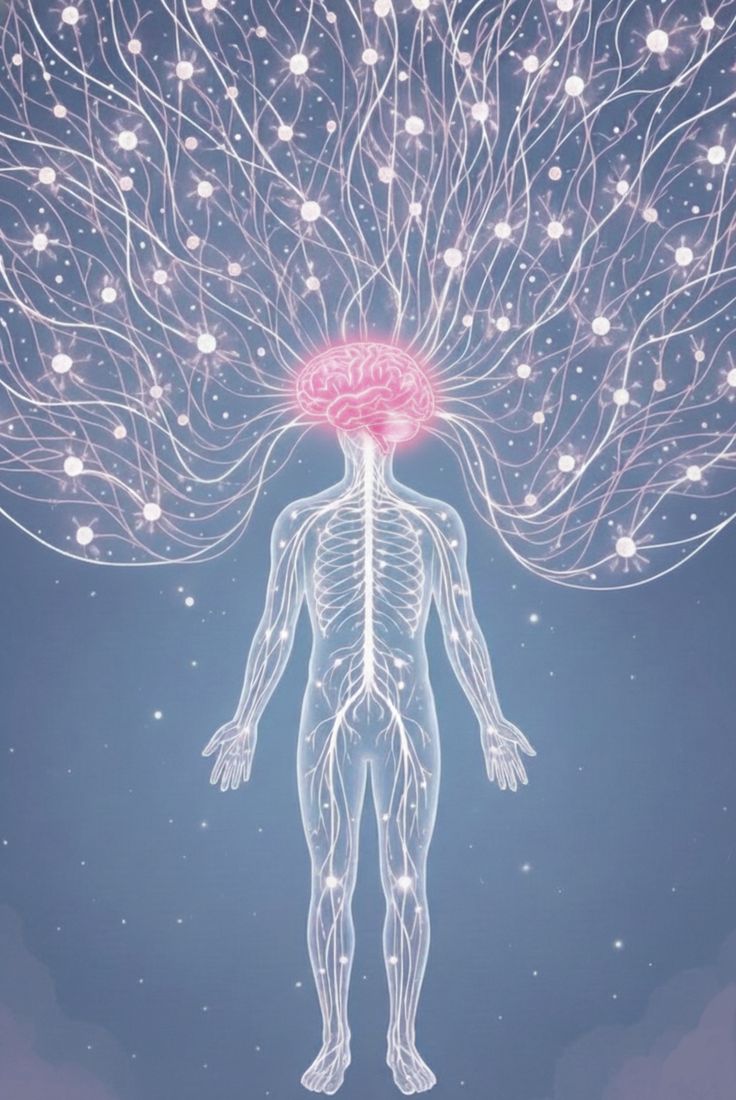
During REM sleep, the brain becomes almost as active as when we are awake.
This is why dreams feel so real.